
KEY POINTS
- Guinea-Bissau’s military government has scheduled presidential and legislative elections for Nov. 26, 2028.
- Authorities say technical, material and financial requirements for credible elections are not yet in place.
- The postponement comes one year after the coup that removed President Umaro Sissoco Embaló.
Guinea-Bissau’s military government has postponed presidential and legislative elections until Nov. 26, 2028, extending its promised transition to civilian rule by about two years.
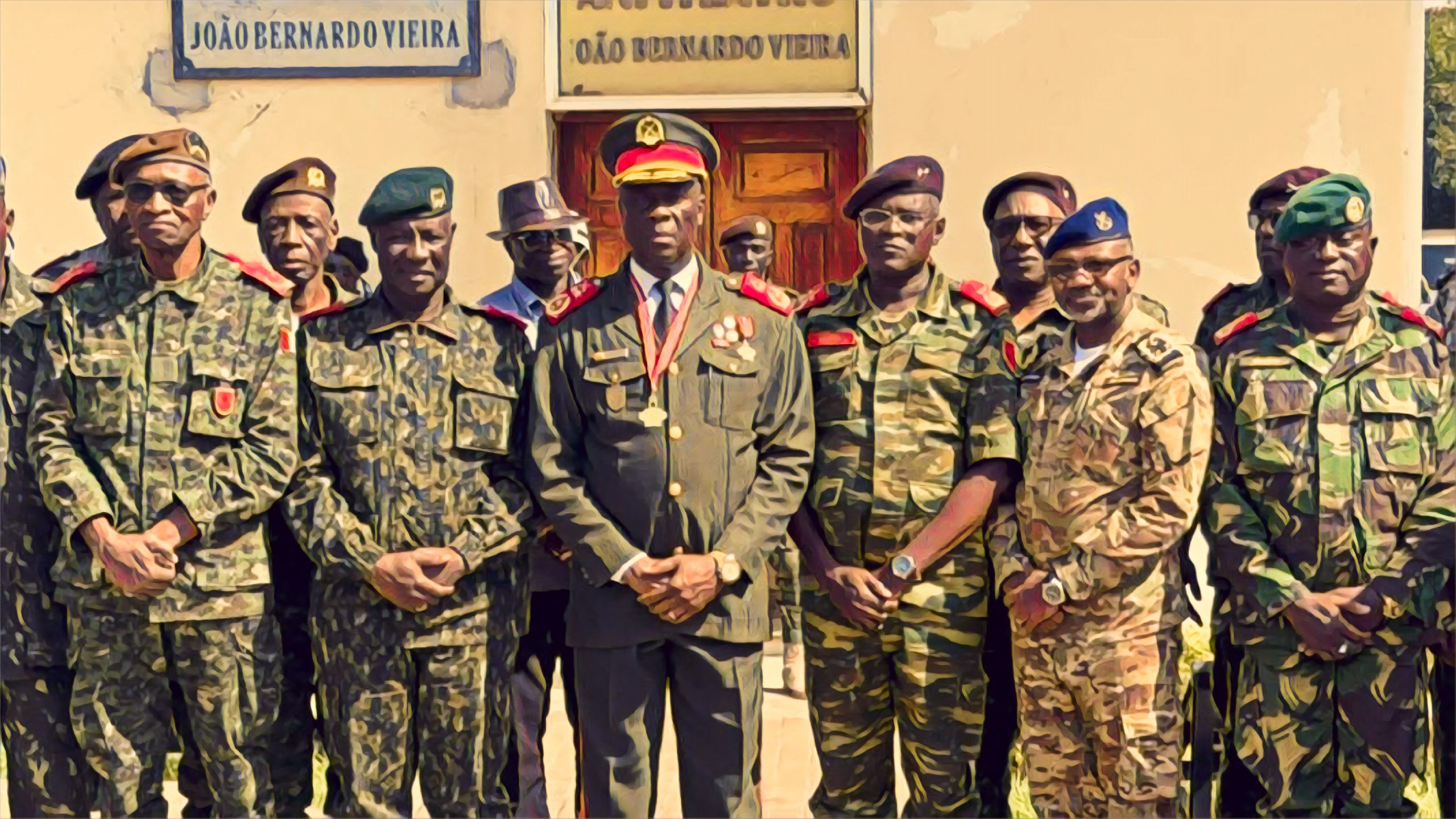
Transitional President Gen. Horta Inta-a issued the decree on Thursday, Nov. 26, the first anniversary of the coup that removed President Umaro Sissoco Embaló. The decision delays elections that had initially been scheduled for December 2026 and leaves the military-led administration in power for a longer period.
Military government cites election preparations
The decree said the technical, material and financial conditions required to organise credible elections were not yet available. It warned that holding the vote without meeting the necessary legal and operational requirements could undermine transparency, inclusiveness and public confidence in the process.
Prime Minister Ilídio Vieira Té had said in October that conditions were not in place for the December elections, although he did not provide an alternative date at the time. The new decree now sets a specific timetable, pushing the electoral process back by nearly two years.
The postponement comes amid uncertainty over the country’s political transition since the military seized power on Nov. 26, 2025. The coup occurred three days after general elections, interrupting the process before officials announced the results. Both Embaló and opposition candidate Fernando Dias had claimed victory, leaving the political dispute unresolved when the military took control.
Coup anniversary deepens political uncertainty
The military takeover removed Embaló and halted the electoral process, while the junta promised a transition back to civilian government. However, the new timetable represents a significant extension of that commitment. The military government has also barred Embaló, who is living in exile in Morocco, from returning to the country, citing security and public-order concerns.
The former president had indicated that he intended to contest the December 2026 election before the postponement. Meanwhile, the military organised a referendum in August that approved constitutional changes expanding presidential powers and reducing the size of parliament. Those changes have added to concerns about the country’s political direction under military rule.
Guinea-Bissau has experienced repeated coups and attempted coups since independence. Its political instability has also affected governance and economic development, while the country has become a transit point for cocaine trafficking from Latin America to Europe.
The election delay raises fresh questions about when civilian authorities will regain control of the country. Although the junta says the postponement is necessary to ensure credible voting, the revised date means Guinea-Bissau will remain under military-led transition arrangements for longer than initially promised.