
KEY POINTS
-
Guinea has ordered residents to clean up Conakry and its suburbs by December 31 following a deadly landfill collapse in August.
-
The disaster killed 31 people and injured others after heavy rains triggered a rubbish landslide.
-
The government plans to improve waste collection, recycling and sanitation infrastructure while converting the closed landfill into an urban park.
Guinea has ordered residents and local authorities to embark on a mass clean-up of the capital, Conakry, following months of worsening rubbish accumulation after a deadly landfill collapse in August.
Prime Minister Amadou Oury Bah announced a December 31 deadline for clearing waste across the city and its suburbs, where illegal dumping has increased since the country’s main rubbish disposal site was permanently closed.
The directive was issued following instructions from President Mamady Doumbouya, who wants Conakry cleaned up before the end of the year.
Bah urged local authorities to take greater responsibility for organising waste collection, saying sanitation activities could also create employment opportunities for young people.
“The state will do its part, but the municipalities must also organise themselves to ensure waste collection and provide jobs for young people,” the prime minister said.
Deadly Landfill Collapse Worsened Waste Crisis
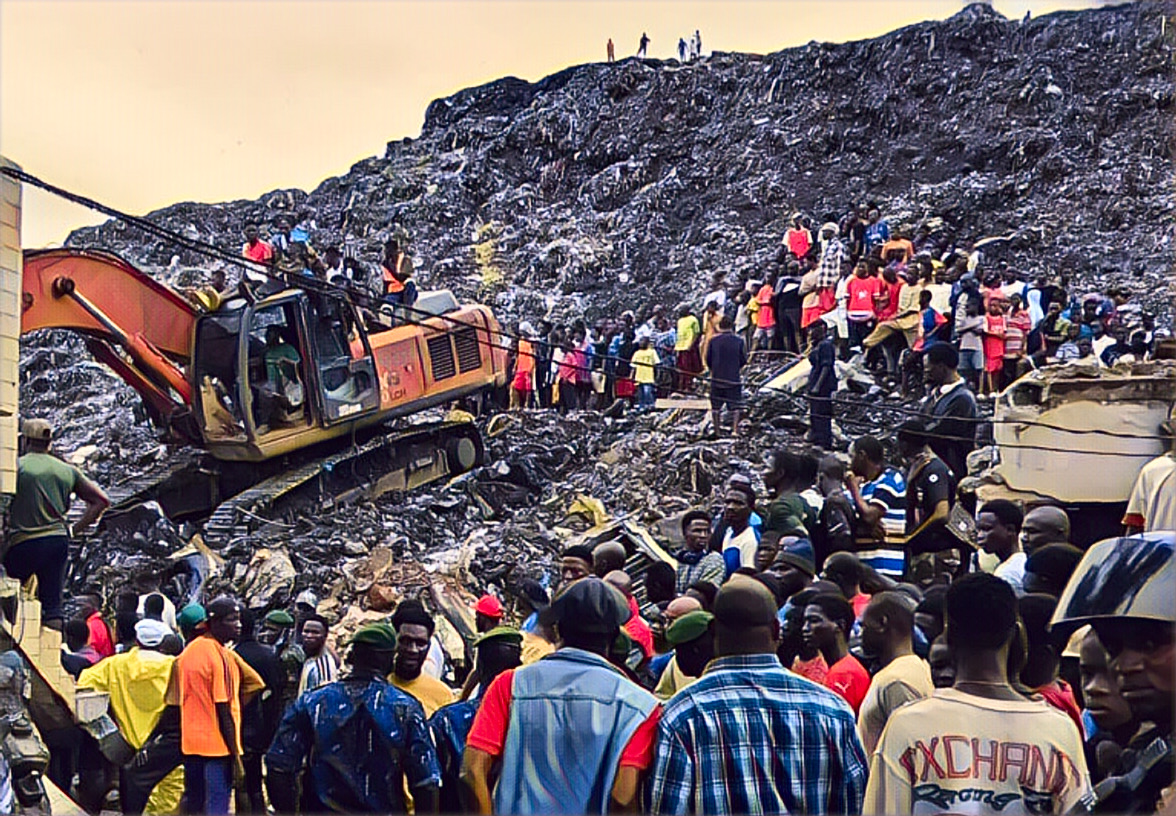
The clean-up directive follows a disaster in August when heavy rains triggered a landslide at the Dar es Salaam landfill in Conakry, causing a massive pile of rubbish to collapse onto nearby homes.
The incident killed 31 people and injured several others, prompting authorities to permanently shut down the site.
The closure has worsened the city’s waste management problems, with rubbish accumulating on streets and outside residential buildings as the existing collection system struggles to cope.
At a public sanitation forum, Sanitation Minister Aboubacar Camara said Conakry generates approximately 3,000 tonnes of waste daily, with large quantities ending up on the streets because of weaknesses in the collection system.
Government Plans New Waste Management Measures
The government said it was introducing measures to improve waste collection, recycling and sanitation financing.
Camara disclosed that discussions with a waste collection operator had been concluded, with plans to transport rubbish from transit and sorting centres to a new disposal site in Baretodé, outside Conakry.
The government is also establishing a national sanitation fund to provide sustainable financing for waste management activities.
Authorities hope the measures will address the growing waste crisis while improving sanitation standards across the capital.
Closed Landfill to Become Urban Park
The Dar es Salaam landfill collapse was not the first deadly incident at the site. Ten people were killed in a similar disaster in 2017.
The government had previously ordered residents living close to the landfill to relocate, but many remained in the area.
Following the latest tragedy, authorities have permanently closed the site and plan to transform it into an urban park as part of efforts to rehabilitate the area and prevent further disasters.
The mass clean-up is expected to involve residents, municipal authorities and waste management operators as the government seeks to restore sanitation across Conakry before the December 31 deadline.