
KEY POINTS
-
Somalia’s Supreme Court rules that President Mohamud’s term has expired.
-
Political leaders have 30 days to agree on election arrangements, with elections ordered within 90 days.
-
The dispute comes amid tensions between the presidency, judiciary and opposition, alongside continuing security threats from al-Shabab.
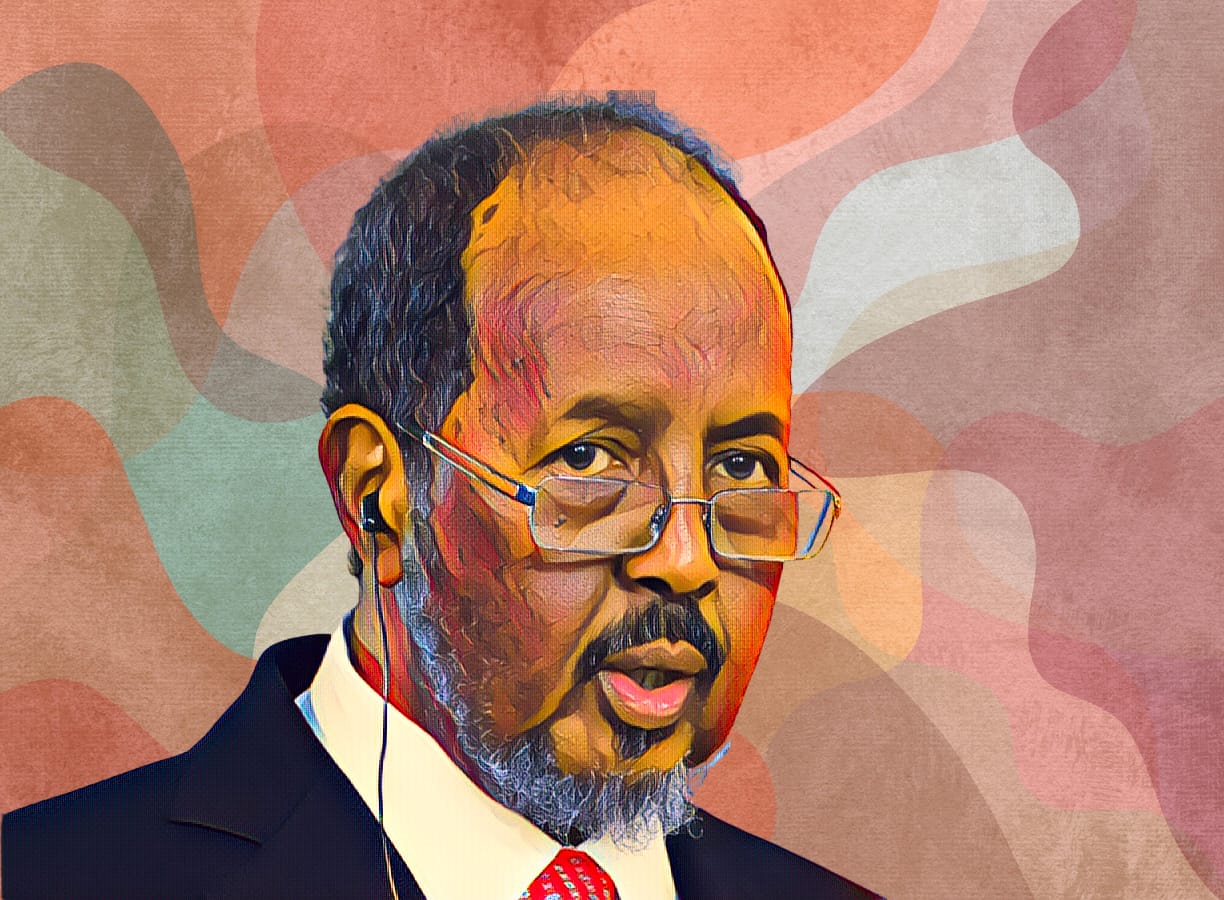
Somalia’s Supreme Court has ruled that President Hassan Sheikh Mohamud’s term in office has expired, ordering political leaders to organise elections within 90 days in a decision that has deepened the country’s political crisis.
The judgment, delivered on Thursday, November 5, 2026, rejected the president’s position that constitutional amendments approved by parliament allowed him to remain in office until 2027.
The court ruled that parliament’s decision to extend presidential and parliamentary terms from four years to five years did not automatically grant current officeholders an additional year in power.
The decision came a day after Mohamud dismissed the country’s Chief Justice, Baashe Yusuf Ahmed, raising further questions about the independence of the judiciary and the growing confrontation between the presidency and the courts.
Court Gives Political Leaders 30 Days to Reach Agreement
In its five-page judgment, the Supreme Court said the terms of the president and parliament had already expired despite the constitutional changes.
It gave political leaders 30 days to agree on arrangements for conducting elections and directed the government to restrict its activities to routine administration until a new vote is held.
However, the judges did not name an interim president or explain what would happen if the political leaders failed to meet the deadlines.
The presidency had not publicly responded to the ruling by Friday, November 6.
The court also rejected the removal of Chief Justice Ahmed, arguing that the president had violated the constitution and accusing him of attempting to obstruct its examination of the disputed term extensions.
The presidency had justified the chief justice’s dismissal by citing complaints about the administration of justice and the need for judicial reforms.
Dispute Over Chief Justice’s Removal
The confrontation between the executive and the judiciary intensified after Mohamud announced the dismissal of Ahmed on Wednesday.
Local media outlet Hiiraan Online reported that government troops were deployed around the Supreme Court on Thursday and that the chief justice was ordered to leave.
However, the Associated Press said it could not independently verify the report.
Former President Sharif Sheikh Ahmed, who brought the legal challenge against the term extensions, welcomed the Supreme Court’s decision and called on Mohamud to negotiate with other political leaders.
Despite the ruling, questions remain over whether the decision will be enforced.
Adnan Abdi Ali, a political analyst at the Somali Center for Studies in Mogadishu, expressed doubts about its implementation, citing the ongoing electoral disagreements.
He said the judgment was unlikely to be implemented because of the unresolved political dispute.
Electoral System Disagreement Fuels Crisis
The disagreement also centres on how Somalia should elect its political leaders.
President Mohamud supports a transition to direct elections, which would allow citizens to vote directly for their representatives and national leadership.
Under the existing indirect electoral arrangement, clan representatives select lawmakers, who subsequently elect the president.
Opposition leaders and the regional administrations of Puntland and Jubaland have challenged the president’s constitutional and electoral changes.
The disagreement has already contributed to armed clashes in Mogadishu, raising concerns about the possibility of further instability if political leaders fail to reach an agreement.
The United Nations recently closed its political mission in Somalia, which had helped rival political leaders negotiate over electoral disagreements. No replacement mediation arrangement has been agreed upon.
Security Concerns Add to Political Uncertainty
The political confrontation comes as Somalia continues to face security challenges from al-Shabab, an al-Qaida-linked militant group that controls large rural areas and regularly attacks Mogadishu and other cities.
Ugandan troops have supported Somalia under a bilateral agreement that helped government forces recapture and maintain control of territory previously held by the militants.
African Union peacekeepers are expected to replace Ugandan forces at four military bases considered important for Mogadishu’s security. However, uncertainty remains over who will secure the positions vacated by the departing troops.
Uganda has said its remaining forces, including those serving under the African Union mission, will leave Somalia by the end of 2027.
Ahead of the UN mission’s closure, Mohamed Husein Gaas, director of the Mogadishu-based RAAD Peace Research Institute, warned that competing claims to political authority could weaken cooperation among Somalia’s security forces.
He cautioned that the country could face a political crisis without an agreed mechanism for managing the dispute.