
KEY POINTS
-
Russia vetoed the US resolution on Western Sahara, and the competing Russian proposal also failed.
-
The US draft backed Morocco’s autonomy plan and proposed reducing MINURSO’s military component and removing the referendum reference from its name.
-
Oxfam warned that losing the mission could threaten regional stability and weaken efforts to protect civilians and pursue peace.
The United Nations Security Council has rejected competing United States and Russian resolutions on Western Sahara, leaving the future of the UN peacekeeping mission in the disputed territory uncertain ahead of its mandate’s expiration.
Russia vetoed the US-backed resolution on October 30, while a separate Russian proposal failed to secure the nine votes required for adoption. The deadlock deepened divisions over the decades-long conflict between Morocco and the Algeria-backed Polisario Front.
Unless the council agrees to a last-minute extension, the mandate of the UN Mission for the Referendum in Western Sahara, known as MINURSO, will expire on October 31.
US proposal backs Morocco’s autonomy plan
The US draft sought to extend MINURSO’s mandate for another year while making Morocco’s autonomy proposal the principal basis for negotiations to resolve the conflict.
It also proposed reducing the mission’s military component and removing the reference to a referendum from its name, changing it to the United Nations Mission in Western Sahara, or MINUSO.
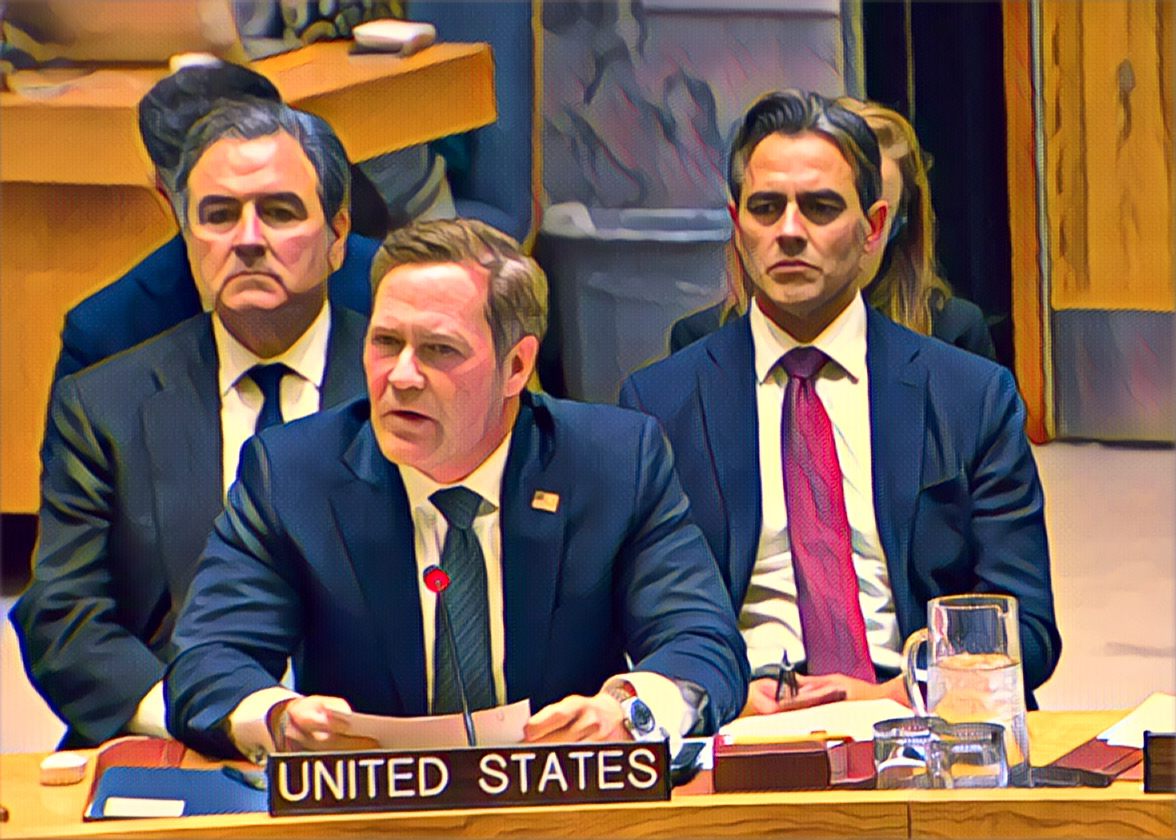
US Ambassador Michael Waltz argued that a referendum had not taken place because of longstanding disagreements over voter eligibility. He said the UN had not been preparing to hold such a vote for decades.
France and the United Kingdom, along with eight non-permanent Security Council members, supported the US resolution and Morocco’s autonomy proposal.
Russia rejects US approach
Russia opposed the US draft, arguing that it went too far in favouring Morocco’s position and risked prejudging questions of sovereignty.
Russian UN Ambassador Vassily Nebenzia said the Security Council should not endorse a one-sided approach to the disputed territory.
After Russia vetoed the US resolution, the council considered Moscow’s alternative proposal to extend the mission for another year. That draft received two votes in favour, one against and 11 abstentions, falling short of the nine affirmative votes needed for adoption.
The twin failures left the peacekeeping mission without an agreed extension as its deadline approached.
Morocco and Polisario remain divided
Morocco controls most of Western Sahara, but the Polisario Front claims the territory and seeks an independent state.
Morocco welcomed the failure to renew MINURSO’s mandate, describing the development as significant. Its royal palace said the mission’s personnel, vehicles and equipment should leave the territory in the coming days.
The Moroccan government also said it remained committed to the ceasefire.
Polisario representative Sidi Omar, meanwhile, thanked Russia for vetoing the US proposal. He argued that the resolution would undermine the foundations of the UN peace process and threaten regional and international peace.
Algeria’s foreign ministry also criticised the US draft, describing it as excessively biased towards Morocco.
Aid groups warn of security risks
The dispute raises concerns about the future of monitoring and de-escalation efforts in Western Sahara.
Oxfam warned that losing MINURSO could undermine security and stability, with consequences for civilians and prospects for a peaceful settlement.
The mission has 155 military personnel and is expected to cost $62 million for the fiscal year that began in June 2026, according to a UN Secretary-General’s report. Its responsibilities include supporting the ceasefire framework and a referendum process that has remained unresolved for decades.
Hostilities have continued at a low level since the Polisario Front announced in November 2020 that it was resuming armed struggle.
Tens of thousands of Sahrawis are estimated to live in refugee camps run by the Polisario in Algeria, while most Sahrawis live in the Morocco-controlled territory. The vetoed US proposal also called for a census of refugees.