
KEY POINTS
-
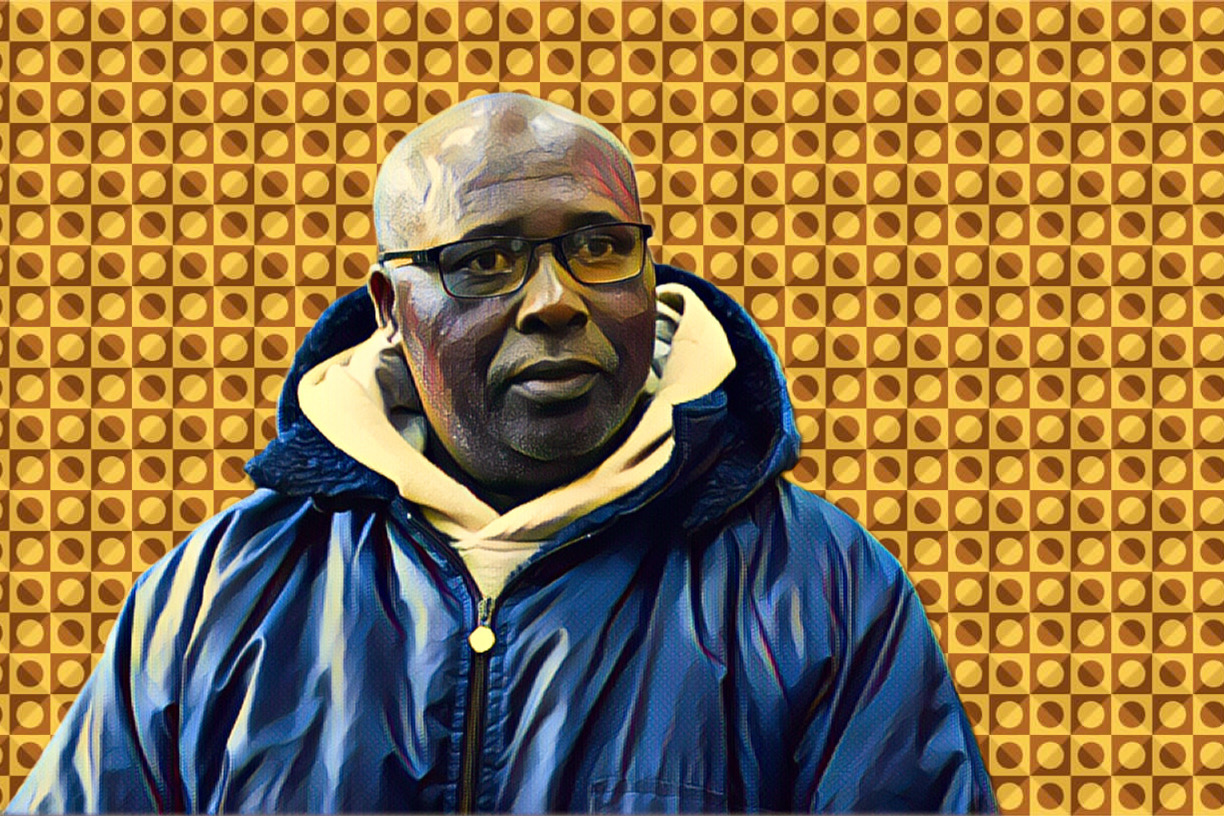
Eric Nshimiye was convicted of perjury and obstruction of justice in Boston.
-
Prosecutors said he lied about his alleged role in Rwanda’s 1994 genocide.
-
He is scheduled to be sentenced on January 26, 2027.
A Rwandan-born man living in the United States has been convicted of perjury and obstruction of justice for lying about his alleged involvement in the 1994 Rwandan genocide.
A federal jury in Boston found 54-year-old Eric Nshimiye guilty on Tuesday, October 27, 2026, following a trial over testimony he gave during the 2019 criminal case of a former university classmate, Jean Leonard Teganya.
US prosecutors accused Nshimiye of deliberately concealing his alleged role in the genocide for decades, including denying involvement in the killings when he appeared as a defence witness in Teganya’s trial.
According to the office of US Attorney Leah Foley, Nshimiye is scheduled to be sentenced on January 26, 2027.
His lawyer, Kurt Kerns, expressed disappointment with the verdict and said the defence would continue pursuing legal options on his behalf.
Prosecutors accuse Nshimiye of concealing his past
Nshimiye has lived in the United States since 1995, when he entered the country as a refugee. He became a US citizen in 2003 and was working as an engineer for Goodyear Tire & Rubber Company when he was arrested in 2024.
Prosecutors alleged that he falsified and concealed information about his past to hide his participation in the 1994 genocide in Rwanda.
The genocide, carried out by forces associated with the country’s hard-line Hutu-led regime, claimed an estimated 800,000 lives, mostly ethnic Tutsis and moderate Hutus, during approximately three months of violence.
According to prosecutors, Nshimiye was in the southern Rwandan city of Butare when the killings began. He was reportedly studying medicine at a university alongside Teganya, who was also accused of participating in the atrocities.
Prosecutors told the court that both men belonged to the National Revolutionary Movement for Development, the political party that helped drive the genocide.
They further alleged that Nshimiye attacked Tutsis during the violence and handed some victims over to be raped or killed.
False testimony in former classmate’s trial
The charges against Nshimiye stemmed partly from his appearance as a defence witness during Teganya’s 2019 trial.
Prosecutors said Nshimiye denied participating in the genocide and rejected claims that he belonged to the ruling Hutu-dominated political party.
Teganya was subsequently convicted of perjury and visa fraud and sentenced to more than eight years in prison later in 2019.
During Nshimiye’s trial, his lawyer rejected the prosecution’s allegations, describing them as fabricated accusations.
Kerns argued that Nshimiye was not in Butare when the genocide began and maintained that the prosecution had targeted him because he agreed to testify in support of his former classmate.
The defence also argued that Nshimiye had only appeared as a character witness and had not participated in the crimes attributed to him.
Sentencing scheduled for January
Following the jury’s guilty verdict, Nshimiye now faces sentencing on January 26, 2027.
His conviction marks another case involving efforts by US authorities to prosecute individuals accused of concealing their involvement in the 1994 Rwandan genocide after relocating abroad.
The case also underscores the legal consequences of providing false testimony in proceedings involving alleged genocide crimes.
Nshimiye’s lawyer has indicated that the defence intends to pursue further legal remedies following the verdict.