KEY POINTS
-
A total of 408 people fell ill across about five townships near Pretoria between October 7 and 18.
-
Tests detected E. coli and other harmful pathogens in water linked to a local treatment facility.
-
Residents have been told not to drink or cook with tap water as authorities distribute clean water.
More than 400 people have fallen ill after being exposed to contaminated drinking water in communities near Pretoria, South Africa, prompting authorities to warn residents against drinking or cooking with tap water.
The outbreak was recorded in Tshwane, the metropolitan area that includes Pretoria, after residents developed stomach cramps and diarrhoea over a two-week period. Many of those affected are children under the age of four, raising concerns about the risks to young children and other vulnerable residents.
In a joint statement issued on Monday, South Africa’s departments of water and health said 408 cases were recorded between October 7 and 18 across about five townships.
No deaths had been reported in connection with the outbreak at the time of the announcement. However, laboratory tests detected high levels of E. coli in the water supplied to affected communities, pointing to a serious public health concern.
Tests identify several disease-causing organisms
Investigations linked the illnesses to contaminated water from a local treatment facility supplying communities east of Pretoria.
Laboratory samples detected E. coli, norovirus, campylobacter and shigella, as well as other pathogens capable of causing gastrointestinal illness. These organisms can spread through contaminated water and food, leading to symptoms such as diarrhoea and abdominal cramps.
Some infections can cause severe illness, particularly in young children, who are more vulnerable to dehydration when diarrhoea persists.
Officials said no cholera bacteria had been found in the latest cases. Nevertheless, the detection of multiple pathogens has intensified concerns about the quality of the water supply and the effectiveness of measures intended to protect residents.
Early investigations also suggested that local authorities had failed to warn residents about the contaminated water. This has raised questions about how quickly the risk was identified, communicated and addressed.
Residents told to stop using tap water for drinking
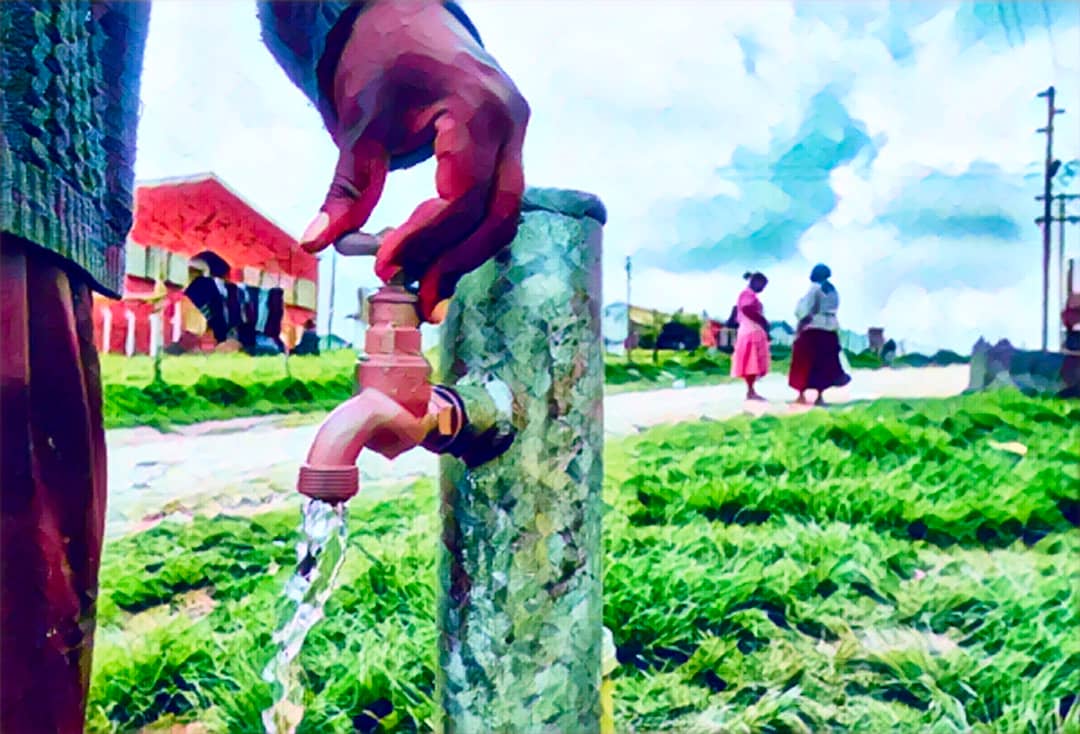
Authorities have declared the affected water supply unfit for human consumption and instructed residents not to drink it or use it for cooking.
Residents have been advised to use the water only for flushing toilets while the response continues. Water tankers have also been deployed to supply communities with clean drinking water.
Officials urged households to discard water stored before the warning and disinfect their water containers using household bleach, following appropriate safety instructions.
The precautions are intended to prevent further exposure while authorities work to address the contamination. Residents who develop diarrhoea, stomach cramps or other symptoms should seek medical advice, especially if they experience signs of dehydration.
The availability of clean water will be critical to containing the outbreak. Residents who depend on tanker deliveries may also face difficulties obtaining enough safe water for drinking, cooking and other essential household needs.
Authorities have not provided a confirmed timeline for when the affected tap water will be declared safe for consumption.
Previous outbreaks raise concerns over water safety
The latest incident adds to a series of waterborne disease outbreaks in the Tshwane area in recent years.
In 2023, a cholera outbreak in Hammanskraal, a township near Pretoria, killed 29 people. The outbreak was linked to inadequate water purification practices, exposing weaknesses in the systems responsible for providing safe drinking water.
In 2025, officials confirmed 48 typhoid cases in the same area east of Pretoria. The source of that outbreak remained unclear.
Although the latest cases have not been linked to cholera, the repeated occurrence of water-related illnesses has renewed concerns about water treatment, public health monitoring and access to safe drinking water.
The current outbreak also highlights the importance of prompt communication between water authorities, local government and health agencies. Early warnings can help residents avoid contaminated supplies and reduce the risk of further infections.
For now, the priority is to provide safe alternative water supplies, investigate the source of contamination and ensure that residents receive clear guidance before normal tap water use resumes.