
KEY POINTS
-
Survivors of a 2019 landslide in Uganda that killed 53 people have taken their case to the UN, demanding relocation, compensation and better disaster protection.
-
The complainants accuse the government of failing to protect residents of landslide-prone Bududa and say its relocation programme does not adequately address their safety, land rights and livelihoods.
-
The UN Human Rights Committee is considering the case, which could set a global precedent for climate adaptation and government accountability.
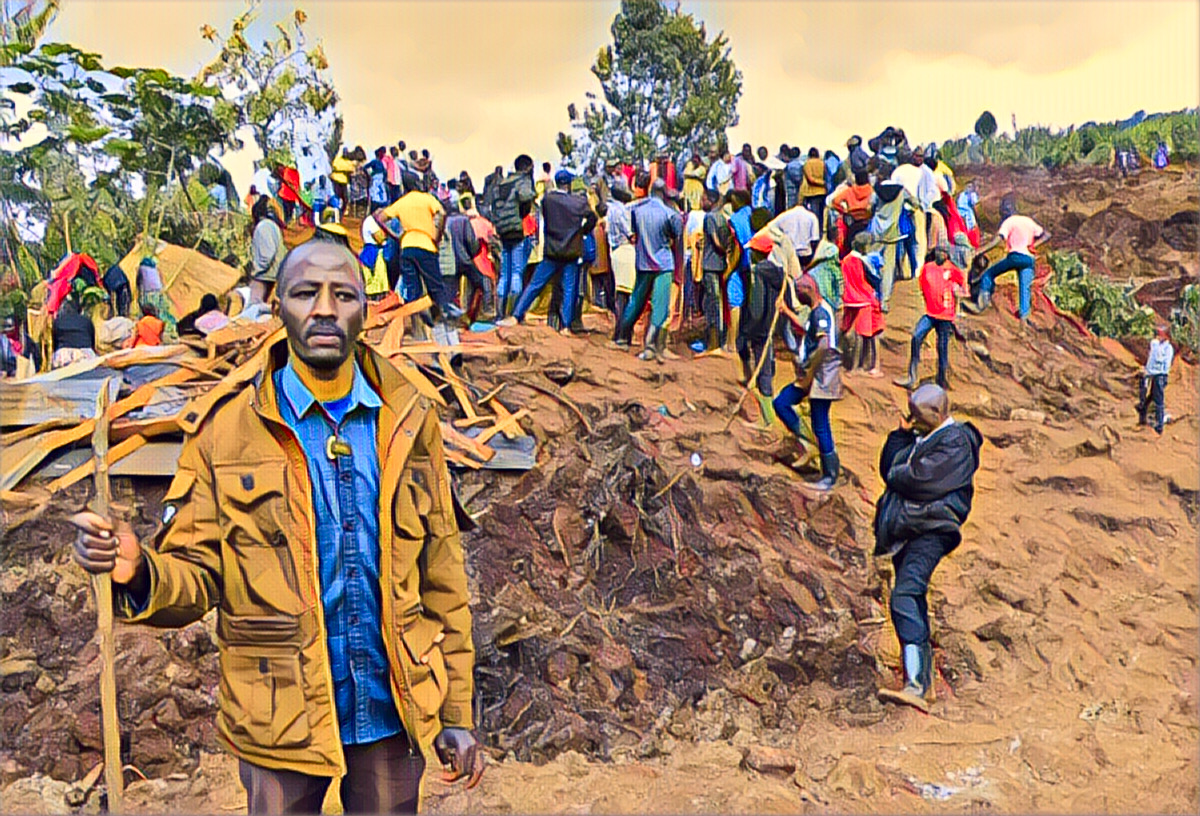
Survivors of a deadly 2019 landslide in eastern Uganda have taken their fight for relocation, compensation and better disaster management measures to the United Nations.
The 48 complainants accuse the Ugandan government of violating the country’s constitution by failing to implement effective measures to protect residents of Bududa, a mountainous district prone to landslides.
The case comes amid renewed concerns about heavy rainfall and the risk of further landslides in the area. Survivors say the government’s resettlement programme does not adequately address their safety, land rights and livelihoods.
At least 53 people died in the 2019 landslide, including 33 children. Years after the disaster, survivors say heavy rainfall continues to trigger fears of another tragedy.
William Tsama, one of the complainants, lost four members of his family in the disaster.
Tsama said he hoped the legal action would encourage victims of disasters who feel neglected by their governments to seek justice through the courts.
The case is now before the UN Human Rights Committee and is believed to be the first seeking climate adaptation measures through such a process, potentially setting a precedent for similar cases around the world.
Government relocation programme faces criticism
Uganda introduced a resettlement programme for people living in landslide-prone areas in 2011, but progress has been limited, with relatively few residents relocated.
Last month, the government launched a new programme offering affected households 18 million Ugandan shillings, equivalent to approximately $4,300, to help them move to safer locations.
The scheme allows families to choose between receiving two acres of land valued at eight million shillings, alongside 10 million shillings for building a house, or taking the equivalent land allowance in cash together with the housing grant.
The programme is expected to cover 1,410 households identified as living in high-risk areas.
However, some survivors have questioned whether the financial support is sufficient to cover relocation costs and rebuild their lives elsewhere.
The government has also given residents of designated high-risk areas two months, from November to December, to leave their homes or face forced eviction.
The complainants argue that relocation should not simply involve moving people away from danger but should also protect their livelihoods, land rights and individual needs.
Residents face threats to livelihoods and farming
Beyond the danger of landslides, residents say changing rainfall patterns and declining soil fertility have affected agricultural activities, making it increasingly difficult for families to sustain themselves.
Many households depend on farming for their livelihoods, meaning relocation could disrupt their access to farmland and their ability to earn an income.
Tsama said his efforts were driven by his desire to secure a safer future for his family and other residents, particularly younger generations.
He said he wanted to find a suitable place for his people to live, even if he did not survive long enough to see the outcome.
The survivors first initiated legal action in Uganda in 2020 and received support from environmental organisation Greenwatch in 2023.
They are seeking compensation for deaths, lost livelihoods and other losses caused by the disaster, alongside emergency measures such as accessible early-warning systems for communities living in high-risk areas.
Greenwatch Executive Director Samantha Atukunda Kakuru Mwesigwa said the case was aimed at changing how governments prepare for and respond to climate-related disasters.
She argued that justice should extend beyond court victories to ensuring government policies keep pace with climate change and that losses suffered by affected communities are properly addressed.
Climate disasters increase across East Africa
The threat of climate-related disasters extends beyond Uganda, with several countries in East Africa experiencing deadly floods and landslides in recent years.
In Kenya, floods and landslides killed at least 181 people between March and May 2024, according to the Kenya Red Cross. Rwanda also recorded 135 deaths from floods and landslides in May 2023.
Similar disasters have affected other parts of the world. In October 2026, a flash flood swept through Nepal’s Gorkha district after a landslide blocked a river, destroying homes and infrastructure and killing more than 1,500 people, according to the report.
ClientEarth lawyer Vesselina Newman said climate change was worsening disasters such as the Bududa landslide and increasing the risks faced by communities globally.
She argued that poorer countries, which have contributed relatively little to global greenhouse gas emissions, were bearing some of the heaviest consequences of climate change and required greater financial assistance.
Newman called on high-income countries to provide funding directly to nations such as Uganda to support life-saving adaptation measures.
UN committee to seek Uganda’s response
The UN Human Rights Committee is expected to ask the Ugandan government to respond to the complaints within six months.
The case could have wider implications for how governments are held accountable for protecting vulnerable communities against climate-related disasters.
The complainants want Uganda to strengthen disaster preparedness, provide effective early-warning systems, ensure safe relocation and compensate affected families for losses.
They also argue that resettlement programmes must take into account the economic and social consequences of displacement, particularly for people whose livelihoods depend on land and farming.
The outcome could help shape future international legal arguments over governments’ responsibilities to protect communities from climate-related risks and provide support to those affected by disasters.