
KEY POINTS
-
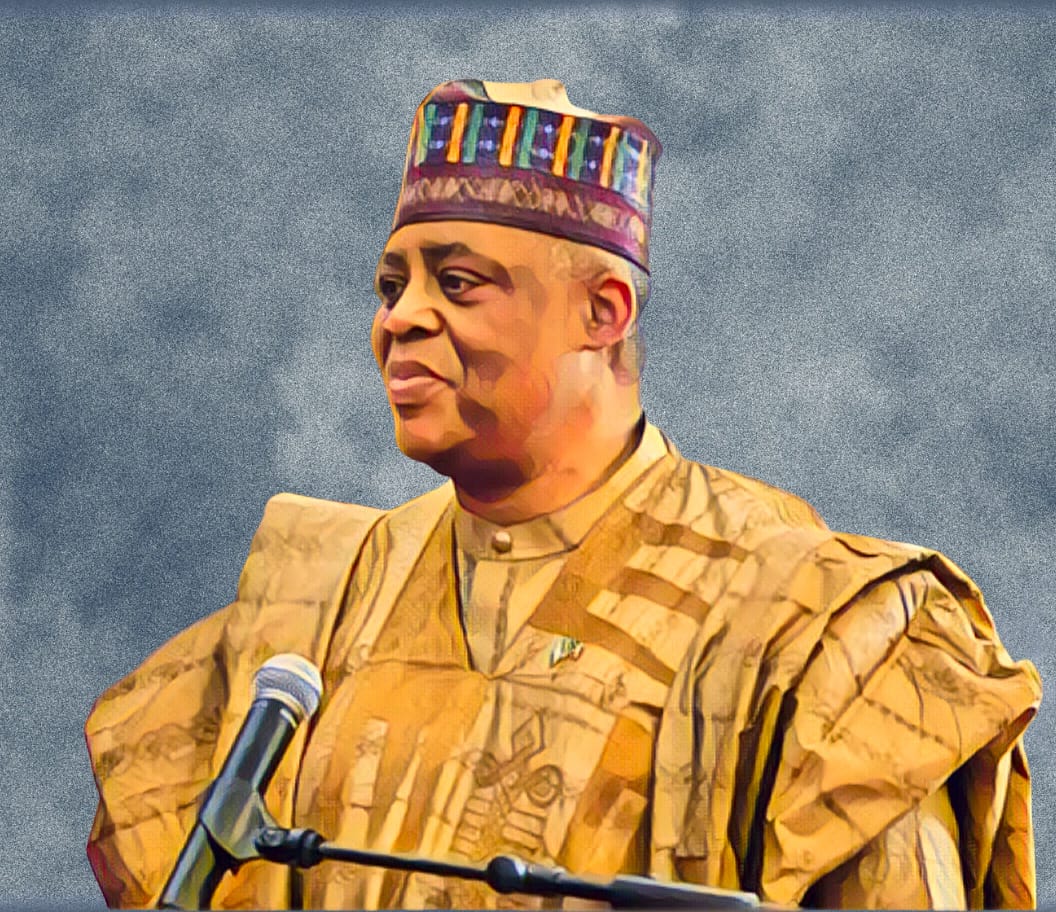
South Africa has formally raised concerns with Nigeria’s High Commissioner, Femi Fani-Kayode, over his conduct following a meeting with President Cyril Ramaphosa.
-
DIRCO reminded the Nigerian envoy to follow diplomatic procedures and avoid using social media to address official disagreements.
-
The dispute followed Fani-Kayode’s allegation that South African officials excluded his presentation and speech from the official broadcast of his credentials ceremony.
South Africa has formally summoned Nigeria’s newly appointed High Commissioner, Femi Fani-Kayode, over concerns about his conduct following the presentation of his diplomatic credentials to President Cyril Ramaphosa.
The concerns were communicated on Tuesday by the Director-General of South Africa’s Department of International Relations and Cooperation (DIRCO), Zane Dangor, during a meeting with the Nigerian envoy.
Dangor expressed the South African government’s displeasure over issues surrounding the presentation of Fani-Kayode’s Letters of Credence and comments he subsequently made on social media.
The meeting amounted to a formal diplomatic démarche, a procedure through which one government officially communicates its concerns or objections to another country’s diplomatic representative.
DIRCO reminds Nigerian envoy of diplomatic rules
During the meeting, Dangor reminded Fani-Kayode of Article 41 of the 1961 Vienna Convention on Diplomatic Relations.
The provision requires diplomats to respect the laws and regulations of their host countries and refrain from interfering in their internal affairs.
The South African official also stressed that diplomats should conduct official business through the host country’s Ministry of Foreign Affairs rather than use public platforms to address disagreements.
He specifically stated that formal communications between the Nigerian High Commission and the South African government should follow established diplomatic channels, including DIRCO.
The intervention followed a public disagreement that began last week after Fani-Kayode presented his diplomatic credentials to Ramaphosa on November 13, alongside representatives of 14 other countries.
Fani-Kayode alleges Nigeria was excluded from broadcast
After the ceremony, Fani-Kayode accused the South African Presidency of deliberately excluding his introduction, the Nigerian delegation and his speech from the official livestream.
In a statement published on his social media accounts, he claimed the broadcast was interrupted when he was due to make his presentation and resumed only after he had finished speaking.
He described Nigeria as the only country among the 15 represented at the ceremony whose presentation was not broadcast.
The former Nigerian Minister of Aviation also claimed that he raised the matter directly with Ramaphosa, who subsequently took him to the relevant officials and questioned them about the incident.
South African Presidency disputes the allegation
However, the South African Presidency rejected Fani-Kayode’s account.
President Ramaphosa’s spokesperson, Vincent Magwenya, accused the Nigerian envoy of misrepresenting what happened during the ceremony.
Magwenya maintained that Ramaphosa had not interfered with the operations or editorial decisions of the South African Broadcasting Corporation (SABC), which handled the broadcast.
He also described Fani-Kayode’s approach as “grossly inappropriate”, arguing that the envoy should have raised his concerns through the appropriate institutional channels rather than social media.
The disagreement subsequently developed into a public exchange between the Nigerian High Commission and South African officials.
Nigeria’s High Commission defended Fani-Kayode, rejected Magwenya’s description of his conduct and called for restraint, reconciliation and respect for diplomatic relations between the two countries.
South Africa reaffirms commitment to Nigeria ties
Despite the disagreement, Dangor reaffirmed South Africa’s commitment to maintaining its longstanding relationship with Nigeria.
He described the bilateral relationship as one founded on friendship, mutual respect and cooperation, while emphasising the importance of constructive diplomatic engagement and African solidarity.
The latest disagreement comes against the background of recurring tensions between Nigeria and South Africa over xenophobic attacks, the safety of Nigerians living in South Africa and other diplomatic issues.
Both countries remain major political and economic powers on the continent, with significant interests in regional trade, security and diplomacy.
Fani-Kayode’s appointment had raised expectations of renewed engagement between the two countries. He had previously pledged to rebuild bilateral relations and address outstanding concerns through dialogue.
Diplomatic démarche does not mean expulsion
The formal démarche does not mean South Africa has expelled Fani-Kayode or declared him persona non grata.
DIRCO’s action represents an official expression of concern over his conduct and a reminder of the diplomatic procedures expected of foreign representatives.
There is also no indication that South Africa has withdrawn its acceptance of Fani-Kayode as Nigeria’s High Commissioner.
The immediate issue remains the disagreement over the credentials ceremony and the manner in which the Nigerian envoy raised his complaints.