
KEY POINTS
- Ramaphosa is leading a South African delegation on a working visit to California from Nov. 15 to 21.
- The programme includes engagements with Google, Microsoft, Cisco and other technology organisations.
- South Africa wants to build domestic AI capacity, attract investment and develop local technology businesses.
Ramaphosa Silicon Valley engagements are placing South Africa’s technology ambitions before major global companies and investors, as President Cyril Ramaphosa seeks to attract capital and strengthen the country’s artificial intelligence capabilities. The president is leading a multi-stakeholder delegation on a working visit to California from Nov. 15 to 21. The programme brings together government representatives, academics, researchers, business leaders, technical experts and university students.
South Africa courts technology investors
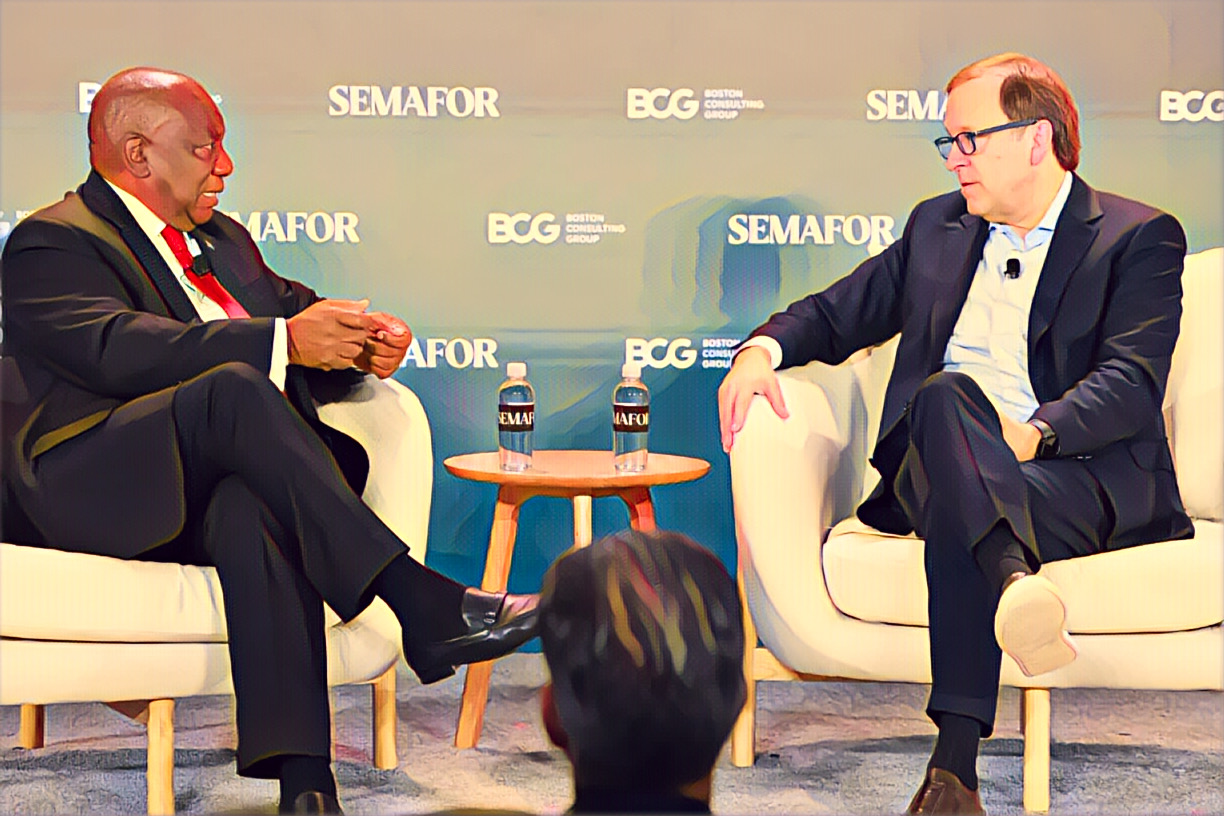
Ramaphosa addressed technology founders, investors and global policymakers at the Semafor: Silicon Valley and the World gathering in Menlo Park on Nov. 16. He used the engagement to present South Africa as a country seeking an active role in the development of artificial intelligence rather than remaining a consumer of technologies developed elsewhere.
The president said he had brought 27 postgraduate students with AI expertise and about 24 South African start-ups to participate in the visit. He argued that the country needed to develop its own technological capabilities, enterprises and intellectual property. In addition, he said partnerships with global companies could help South Africa participate more meaningfully in the changing digital economy.
AI partnerships and infrastructure on agenda
The delegation’s programme includes meetings with executives from Google, Microsoft and Cisco, alongside engagements with Stanford University, investors and researchers. These discussions cover AI applications, robotics, cloud computing, data infrastructure, cybersecurity and digital innovation.
At Stanford University, the delegation is engaging venture capital investors and AI faculty. The programme also includes a visit to a robotics laboratory and discussions about moving research into commercial applications. Meanwhile, a workshop in San Jose will examine AI infrastructure, public-sector applications, safety and the future of work.
South Africa also plans to explore collaboration with technology companies on digital commerce, small businesses and government services. However, attracting investment will require more than high-level meetings. The country needs reliable electricity, data infrastructure, technical skills and policies that support innovation while managing risks.
The visit also comes amid strained political relations between Pretoria and Washington. Ramaphosa has addressed disagreements with US President Donald Trump and criticism from technology entrepreneur Elon Musk. Nevertheless, the South African government has continued to pursue technology and investment engagement in the United States.
For South Africa, the central question is how to turn international exposure into domestic capacity. Partnerships could support training, research and local start-ups, but the country must also create conditions that allow businesses to scale. Ultimately, the visit’s success will depend on whether discussions lead to investment, technology transfer and opportunities for South African companies and workers.