
KEY POINTS
- José Maria Neves secured approximately 64% of the vote.
- Opposition candidate Joana Rosa received 31.4% and conceded defeat.
- Voter turnout stood at 31.7% of registered voters.
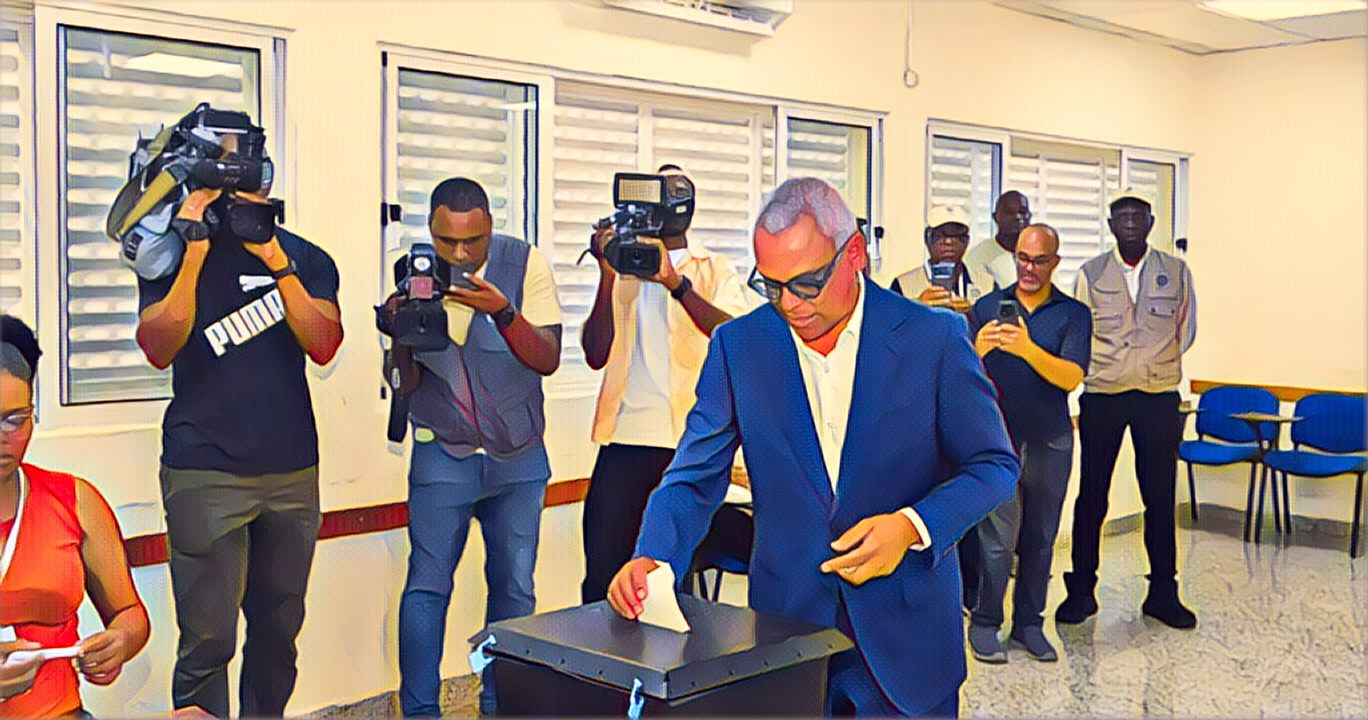
Cape Verdean President José Maria Neves has won re-election with approximately 64% of the vote, securing a second five-year term after defeating opposition candidate Joana Rosa in the presidential election held on Nov. 15. The Associated Press reported that Neves won the contest after provisional results showed him with a clear lead over his challengers. Rosa received 31.4% of the vote and conceded defeat, becoming the first woman to contest the presidency in the island nation. The result gives Neves another term after his first election in 2021. However, low voter turnout marked the election, raising questions about political engagement and how emigration affects the country’s electoral process.
Neves secures second presidential term
Neves’ victory gives the incumbent another five years in office following a campaign in which he promised to build support across political divisions. In his victory speech, he described the result as a victory for the country and said the president represents all citizens, regardless of their political affiliations. His message of national unity comes as Cape Verde continues to face economic and social pressures affecting households across the islands. The president will be expected to work with the government and other institutions to address these concerns during his second term.
His main challenger, Joana Rosa, received 31.4% of the vote and conceded defeat. Rosa was the first woman to contest the presidency in Cape Verde, adding a notable development to the country’s political history. Neves’ re-election maintains the position of the African Party for the Independence of Cape Verde in the presidency, while the opposition Movement for Democracy remains an important political force. The result also continues the country’s record of peaceful electoral competition and transfers of power.
The campaign took place against concerns about unemployment, the cost of living, housing and access to public services. These issues have contributed to the departure of Cape Verdeans seeking employment and better opportunities abroad. Neves has indicated that his administration will need to respond to the economic pressures facing citizens while maintaining the country’s democratic stability. However, delivering improvements in public services and employment will require cooperation with the government, which holds most executive authority under Cape Verde’s political system.
Low turnout raises questions about participation
Despite the decisive result, voter turnout was one of the most notable features of the election. The Associated Press reported that participation stood at 31.7% of approximately 418,000 registered voters. Neves attributed the low turnout partly to emigration, population movements within the country and outdated voter records. He also promised a study to examine the factors behind the limited participation. The result has renewed attention on the difficulties of maintaining accurate electoral records in a country whose citizens are widely dispersed across different countries.
Emigration is particularly significant for Cape Verde because of the strong social and economic links between the islands and their diaspora. Many citizens live abroad, while others move between islands in search of work and better living conditions. These movements can complicate voter registration and participation, especially when electoral records do not reflect changes in residence. Neves’ proposed study could help identify administrative problems and provide a basis for improving electoral access. However, addressing low turnout will also require sustained public confidence in political institutions and the electoral process.
Cape Verde operates a parliamentary system in which the prime minister holds most executive authority, while the directly elected president serves as head of state with constitutional responsibilities. The president can veto legislation and play a role in mediating political disputes, although the government leads day-to-day executive affairs. This means Neves will need to work with the prime minister and parliament to advance the priorities raised during his campaign. His second term will be judged not only by the political stability he maintains but also by the country’s progress on employment, living costs and public services.