
KEY POINTS
-
Uganda begins withdrawing troops from Somalia after nearly 20 years.
-
Reports say the first group included 109 soldiers who left Mogadishu.
-
All remaining Ugandan forces are expected to leave by the end of 2027.
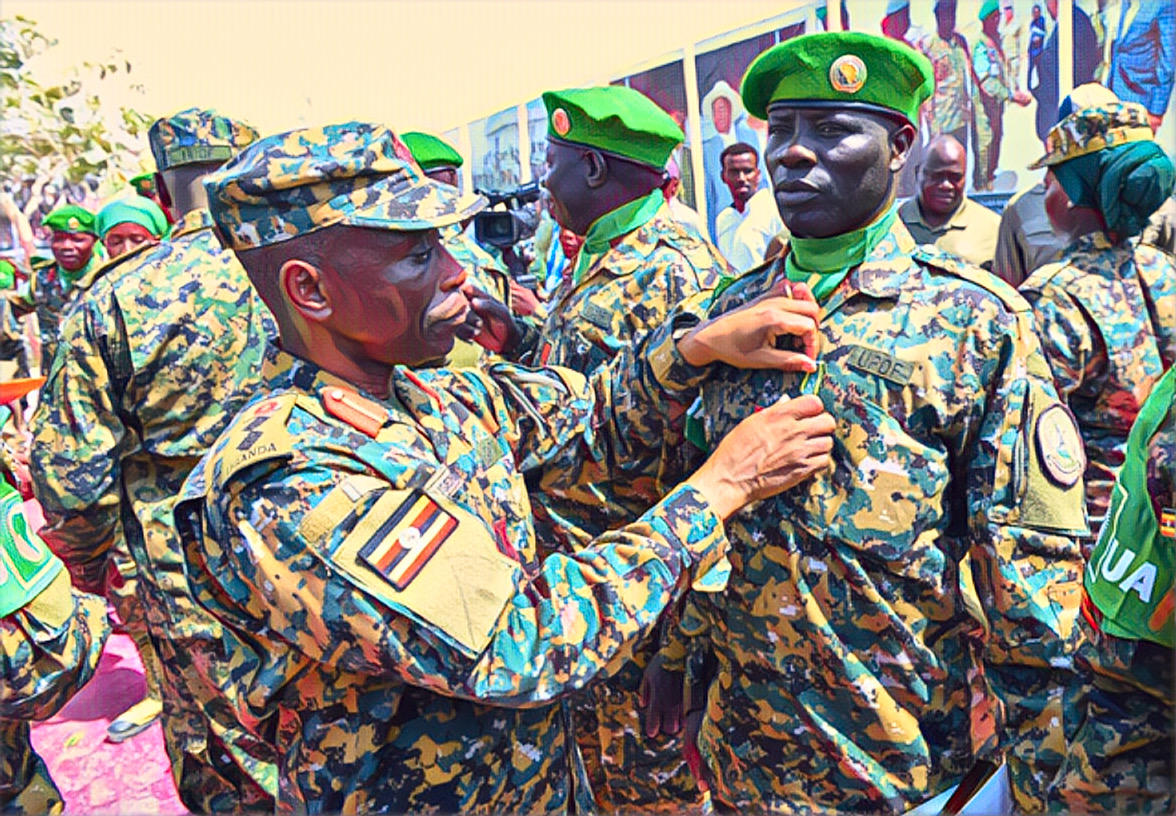
Uganda has begun withdrawing its troops from Somalia, marking the start of a phased military exit after nearly two decades of involvement in peace enforcement and stabilisation operations.
The first group of Ugandan soldiers has returned home, with the Uganda People’s Defence Forces (UPDF) expected to withdraw all remaining troops, including those serving under the African Union Support and Stabilisation Mission in Somalia (AUSSOM), by the end of 2027.
Col Chris Magezi, acting director of Defence Public Information, announced the commencement of the withdrawal on Monday, November 2, 2026, saying the drawdown had taken immediate effect.
The move is intended to pave the way for Somali security forces to assume full responsibility for the country’s security.
First group of soldiers returns home
Although the UPDF did not officially disclose the number of soldiers involved in the initial withdrawal, reports indicate that 109 troops left Mogadishu on Friday following an announcement by Uganda’s Chief of Defence Forces, Gen Muhoozi Kainerugaba.
Magezi said further details about the withdrawal would be communicated in due course.
The departure marks the beginning of a broader drawdown covering Uganda’s bilateral deployment and its participation in the African Union-led mission.
Uganda was the first country to deploy troops to Somalia under the African Union Mission in Somalia (AMISOM) in March 2007. The mission later became the African Union Transition Mission in Somalia (ATMIS) before being replaced by AUSSOM.
Uganda’s role in Somalia’s security operations
Thousands of Ugandan soldiers have served in successive missions, fighting the Al-Shabaab militant group and supporting efforts to rebuild Somalia’s state institutions.
At the peak of its deployment, Uganda had more than 6,000 troops in the country. They operated mainly in Sector One, covering Mogadishu and parts of the Lower and Middle Shabelle regions.
The withdrawal will bring an end to Uganda’s nearly 20-year military engagement in Somalia, as the country seeks to transfer greater security responsibilities to its own armed forces.
The transition is part of a broader African Union plan to enable Somali forces to progressively take charge of national security, with December 2027 targeted for completion.
Funding challenges and regional tensions
The withdrawal comes as the African Union mission faces funding and logistical difficulties. Countries contributing troops have raised concerns about delayed reimbursements and shortfalls in support from international partners.
Reports have also pointed to disagreements between Uganda and Turkey over their respective roles and engagements in Somalia, creating friction around the bilateral deployment.
However, the UPDF has not publicly identified either the funding challenges or the reported disagreements with Turkey as the reason for its decision to withdraw.
The success of the transition will depend partly on the ability of Somali security forces to sustain operations against Al-Shabaab and maintain stability as foreign troops leave.