
KEY POINTS
-
Eastern lawmakers vote to appoint Fawzi Abu Khazam as central bank governor.
-
The appointment follows Naji Issa’s resignation, submitted in August.
-
Libya’s divided authorities face continuing challenges over financial governance and dinar stability.
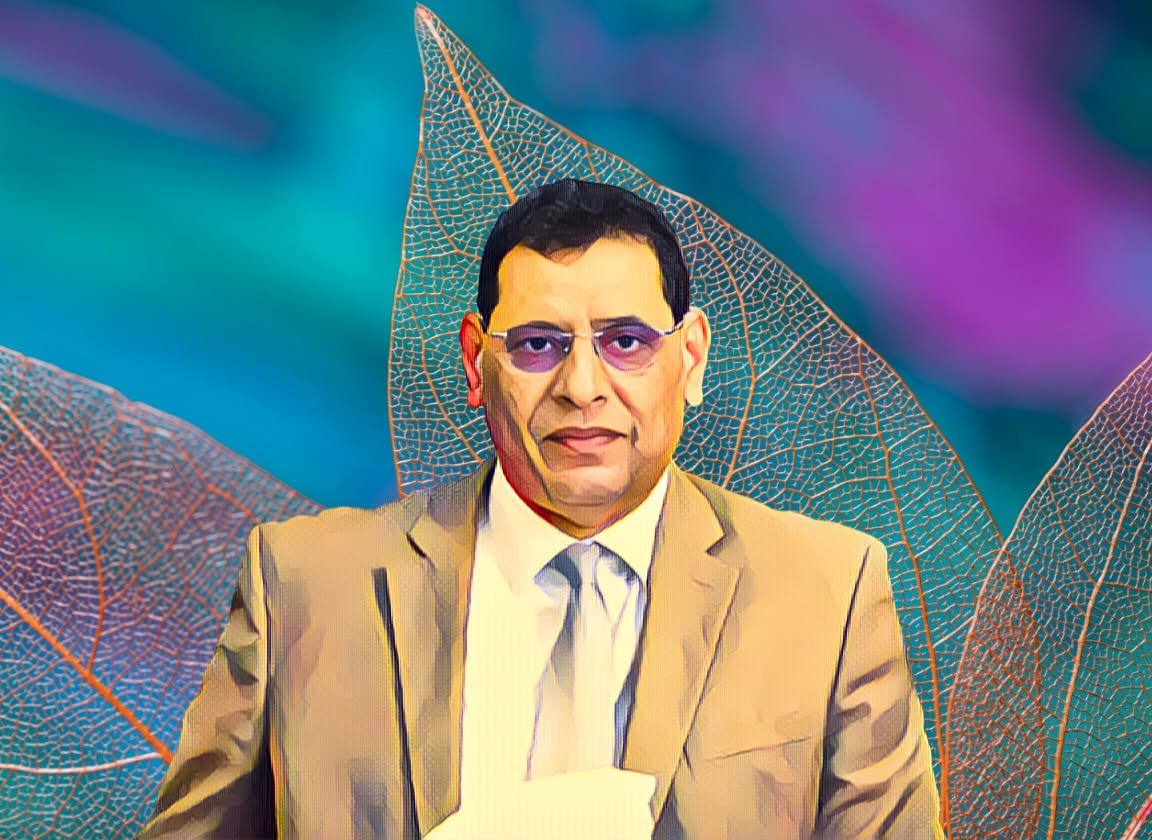
Libya’s eastern-based parliament has voted to appoint Fawzi Abu Khazam as governor of the Central Bank of Libya (CBL), following the acceptance of Naji Issa’s resignation.
The decision, taken on Monday, November 2, 2026, adds a new development to the country’s prolonged political divisions and disputes over control of key financial institutions.
According to parliament spokesperson Abdullah Bliheg, 78 of the 90 lawmakers present voted in favour of Abu Khazam’s appointment and Issa’s resignation. The vote took place in the southern city of Sebha, where the parliament held a session there for the first time, according to deputy speaker Musbah Doma.
Western authorities yet to respond
The Tripoli-based High Council of State, which shares legislative responsibilities in Libya’s political system, had not publicly commented on the eastern parliament’s decision at the time of the report.
Abu Khazam, a member of the central bank’s board, had already received backing from the eastern parliament in October to serve as interim governor.
The latest vote comes amid continuing disagreements between rival political authorities in eastern and western Libya over governance and control of state institutions.
Libya has remained divided since 2014, following the 2011 uprising that toppled longtime leader Muammar Gaddafi. The eastern parliament supports an administration led by Osama Hamad in Benghazi, while the internationally recognised Government of National Unity, led by Abdulhamid Dbeibah, operates from Tripoli.
Issa’s resignation follows earlier dispute
Issa became central bank governor in 2024 after the eastern parliament and the High Council of State agreed on his appointment. The agreement ended a dispute over control of the institution that had led to the removal of his predecessor.
However, Issa submitted his resignation to both legislative chambers in August without publicly explaining his reasons.
The leadership transition has also followed an unexplained incident at the central bank’s headquarters last month. The institution initially condemned what it described as a forced entry while the governor was absent and held those involved, particularly the Defence Ministry, responsible for any consequences.
The bank later deleted the statement and said Abu Khazam had formally taken over in a cordial handover attended by representatives of both legislative chambers. It added that its operations were continuing normally.
Dinar stability among key economic concerns
On Monday, Prime Minister Dbeibah met with Abu Khazam to discuss Libya’s financial and economic challenges, according to a statement from the government’s media office.
The discussions included measures to support the stability of the Libyan dinar’s exchange rate and strategies to address broader economic difficulties.
The central bank plays a crucial role in managing Libya’s monetary policy, foreign currency transactions and public finances, making agreement over its leadership important to the country’s economic stability.
However, the eastern parliament’s latest decision leaves questions about the extent of support for Abu Khazam among authorities in western Libya, whose cooperation has previously been central to resolving disputes over the bank’s leadership.