
KEY POINTS
-
Families of victims are demanding justice and medical support one year after Tanzania’s election violence.
-
Amnesty International accuses the government of suppressing critics and failing to hold security personnel accountable.
-
A government inquiry recorded 518 deaths, but its full report has not been made public.
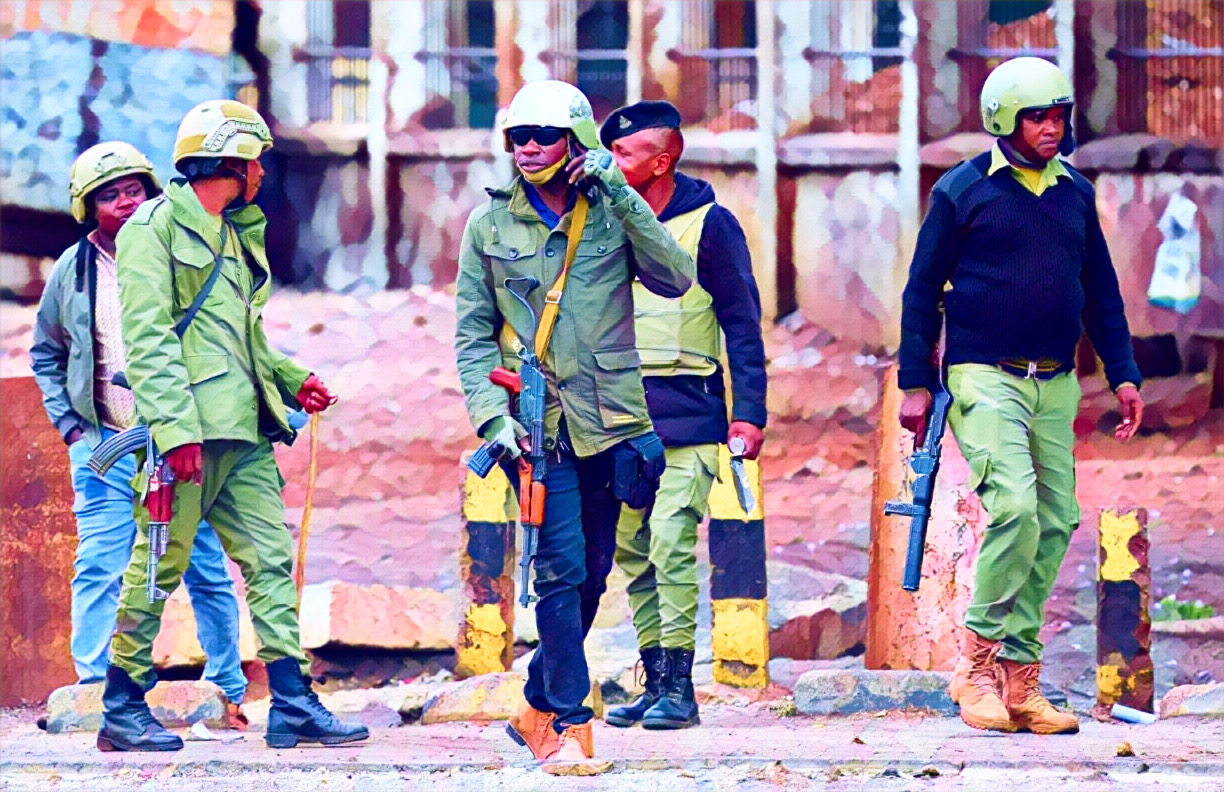
Families of victims of election-related violence in Tanzania are demanding justice, government assistance and medical support one year after protests that left at least 518 people dead, according to a government-appointed commission of inquiry.
The families told the BBC that they continue to struggle with grief, medical expenses and financial hardship following the violence surrounding the October 29, 2025, general election.
Their demands come as Amnesty International accuses the government of President Samia Suluhu Hassan of using counterterrorism laws to suppress critics, opposition supporters and other dissenting voices.
The rights group says security agencies have continued to commit human rights violations without accountability, while no officials have been prosecuted over the excessive force allegedly used against protesters.
Families struggle to cope with loss and injuries
Many families affected by the violence say they have received little or no assistance from the government.
Mwajuma Hamisi, 32, told the BBC that her husband, George Kisivani, was shot in the northern city of Arusha on election day and died two days later. The family has five children and depended on him for financial support.
Hamisi now sells vegetables at a nearby market to provide for her children and says she needs government assistance to rebuild their lives.
Meshack Sane, a 33-year-old father of three, is also struggling to recover from a gunshot wound to his leg. He said he had undergone more than five major operations but could no longer afford the additional surgery he needs.
Sane said his family had exhausted its resources paying for treatment and appealed to the government to help victims who remain seriously ill.
He also alleged that hospitals initially refused to treat some people injured during the unrest. According to him, relatives who approached local officials and the district commissioner were told that no government budget had been allocated for victims.
The BBC said it had not independently verified his account of those conversations.
Families demand answers over those killed or missing
The violence continues to haunt families who lost relatives during the protests.
Neema Munuo, 40, said her 18-year-old daughter, Maria Chami, was shot dead in Arusha on election day while she was out buying phone credit.
Munuo told the BBC that remembering the day often leaves her overwhelmed by grief and unable to leave the house. She wants the government to acknowledge her suffering and provide answers about the deaths.
In another case, farmer Juma Nasibu said he had not seen his 25-year-old nephew, Juma Shabani, since the unrest.
Nasibu said he heard unconfirmed reports that his nephew was among people rounded up and shot. The family has searched hospitals, police stations and prisons without success and has not recovered his body.
The cases underline the continuing uncertainty faced by families seeking information about missing relatives and accountability for those killed.
Amnesty accuses government of suppressing critics
Amnesty International said it had documented human rights violations against government critics, opposition supporters, media organisations and members of the ruling Chama Cha Mapinduzi party who expressed dissent.
The organisation’s regional director for East and Southern Africa, Tigere Chagutah, said no official had been criminally investigated or prosecuted over the security forces’ use of excessive force against protesters.
Amnesty also accused the authorities of increasingly using counterterrorism laws to intimidate critics and create fear.
Between September 3 and 17, 2026, the group interviewed 17 people who described what it said was a continuing crackdown. Some interviewees said they had been targeted after demonstrations were called for July 7 to demand democratic reforms and justice for those killed the previous year.
One 26-year-old man told Amnesty he was arrested in Dar es Salaam on July 24 and held without charge for 47 days. He alleged that interrogators blindfolded and threatened him, withheld food and subjected him to physical abuse.
Amnesty also cited allegations of arbitrary arrests, enforced disappearances, abductions and acts that could amount to torture.
The Tanzanian authorities did not respond to requests for comment from the BBC or Amnesty. The government has repeatedly denied widespread abuse allegations and maintained that it respects human rights.
Election inquiry report remains unpublished
President Samia was declared the winner of the October 2025 election with 98% of the vote. The opposition rejected the result, arguing that the exclusion of her two main challengers undermined the credibility of the election.
The main opposition Chadema party’s leader, Tundu Lissu, had been placed on trial for treason before the poll, preventing him from contesting. He had been campaigning for electoral reforms.
A government-appointed commission of inquiry submitted its report to the president in April 2026, recording 518 deaths from what it described as unnatural causes, including 197 people shot dead.
Amnesty has criticised the failure to publish the full report, arguing that secrecy undermines accountability. President Samia has since established another commission to investigate those responsible for the violence.
Chagutah said the new inquiry should comprehensively examine the role of security forces in the crackdown.
As the anniversary of the election approaches, victims’ families continue to demand justice, medical assistance and official recognition of their suffering.