
KEY POINTS
-
A nurse was killed and another health worker seriously injured in an attack on an Ebola response team in eastern DR Congo.
-
The WHO warned that violence and misinformation could undermine efforts to contain the outbreak, which had recorded more than 9,800 reported cases and over 4,700 deaths, according to figures published on October 26.
-
Authorities had not identified the attackers, while the WHO urged communities to cooperate with disease-control efforts and protect medical personnel.
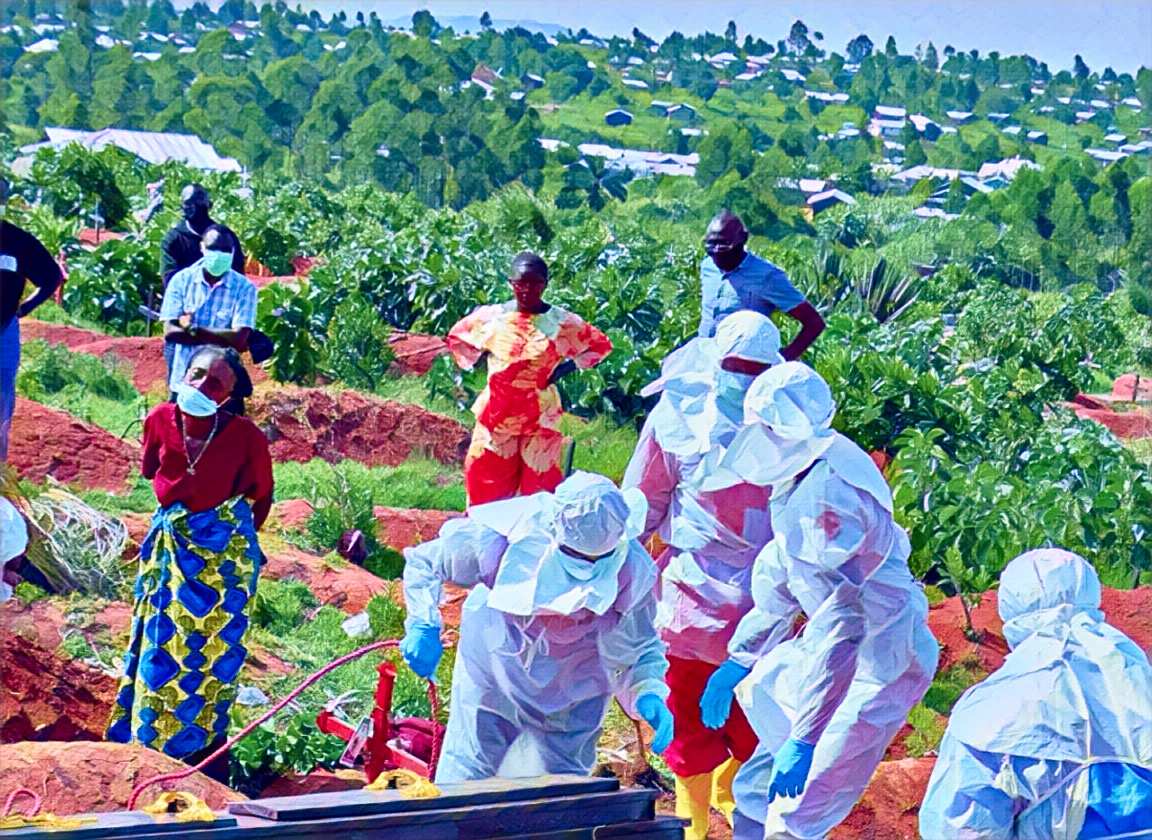
A nurse has been killed and another health worker seriously injured after an attack on an Ebola response team in eastern Democratic Republic of Congo (DR Congo), raising concerns about the safety of medical personnel working to contain the outbreak.
The World Health Organisation (WHO) said the attack occurred on Saturday in Bafwasende, Tshopo province, while the team was responding to an Ebola alert.
The organisation condemned the incident and warned that violence against health workers could disrupt efforts to detect infections, treat patients and prevent further transmission.
As of the report’s publication on October 26, local authorities had not identified the attackers or established their motive. Details about the injured worker’s condition were also unavailable.
WHO calls for protection of health workers
WHO Director-General Tedros Adhanom Ghebreyesus and the organisation’s Regional Director for Africa, Mohamed Yakub Janabi, called for the protection of health workers and others involved in the Ebola response.
The WHO warned that attacks against medical personnel could weaken disease-control efforts and put affected communities at greater risk.
Response teams play a critical role in investigating suspected infections, tracing contacts, delivering medical supplies and ensuring that patients receive appropriate care.
Violence can prevent these activities from taking place safely, potentially delaying the identification of new cases and limiting access to treatment.
Ebola outbreak puts pressure on health services
The attack comes as DR Congo battles a severe Ebola outbreak that has placed additional pressure on its already stretched health system.
Reports published on Monday, October 26, put the cumulative toll since the outbreak began in May at more than 9,800 reported cases and over 4,700 deaths.
The scale of the outbreak has increased the demands on healthcare workers, surveillance teams and other personnel involved in emergency response operations.
However, misinformation and distrust of authorities have complicated efforts to secure public cooperation in some communities.
The WHO has warned that fear and false information can fuel hostility towards medical personnel, making it harder for response teams to investigate suspected infections and implement preventive measures.
Attacks threaten disease-control efforts
The latest incident follows previous reports of threats against Ebola response teams, attacks on health facilities and violence against people supporting disease-prevention activities in DR Congo.
Such incidents can disrupt disease surveillance, delay the movement of essential supplies and discourage medical staff from entering affected areas.
When response teams cannot safely reach communities, suspected cases may take longer to identify, and infected people may experience delays in receiving medical attention.
These disruptions can also make contact tracing more difficult, limiting the ability of health authorities to identify and monitor people who may have been exposed to the virus.
The WHO has urged communities to cooperate with disease-control measures and allow healthcare workers to perform their duties without fear of violence.
Understanding Ebola and its transmission
Ebola is a serious viral disease that can cause fever, weakness, vomiting and diarrhoea. Severe cases may involve internal or external bleeding.
The virus spreads through direct contact with the bodily fluids of an infected person or contaminated materials.
Early identification of suspected cases, isolation, infection-prevention measures and appropriate medical care are important in limiting transmission and improving patient outcomes.
The safety of health workers is therefore essential to the success of outbreak response operations, particularly in communities where insecurity and mistrust make access difficult.
Investigation remains ongoing
Authorities had yet to provide further details about the circumstances of the attack, the identity of those responsible or the motive behind the violence.
The incident has renewed concerns about the risks faced by medical teams responding to the outbreak and the potential consequences for efforts to protect affected communities.
The WHO continues to call for cooperation with public health measures and for healthcare personnel to be allowed to carry out their work safely.