
KEY POINTS
-
Uganda has introduced 21-day quarantine for citizens returning from the Democratic Republic of Congo (DR Congo).
-
Travellers from DR Congo face tighter entry restrictions and intensified health screening.
-
The measures follow Ebola cases in Kenya and Nigeria linked to travellers who passed through Uganda.
Uganda has introduced a 21-day quarantine requirement for its citizens returning from neighbouring Democratic Republic of Congo (DR Congo) as authorities strengthen measures to prevent the spread of Ebola.
The Ministry of Health announced the restrictions on Sunday, October 25, 2026, amid concerns over a deadly outbreak in DR Congo that has reportedly claimed more than 4,800 lives since May.
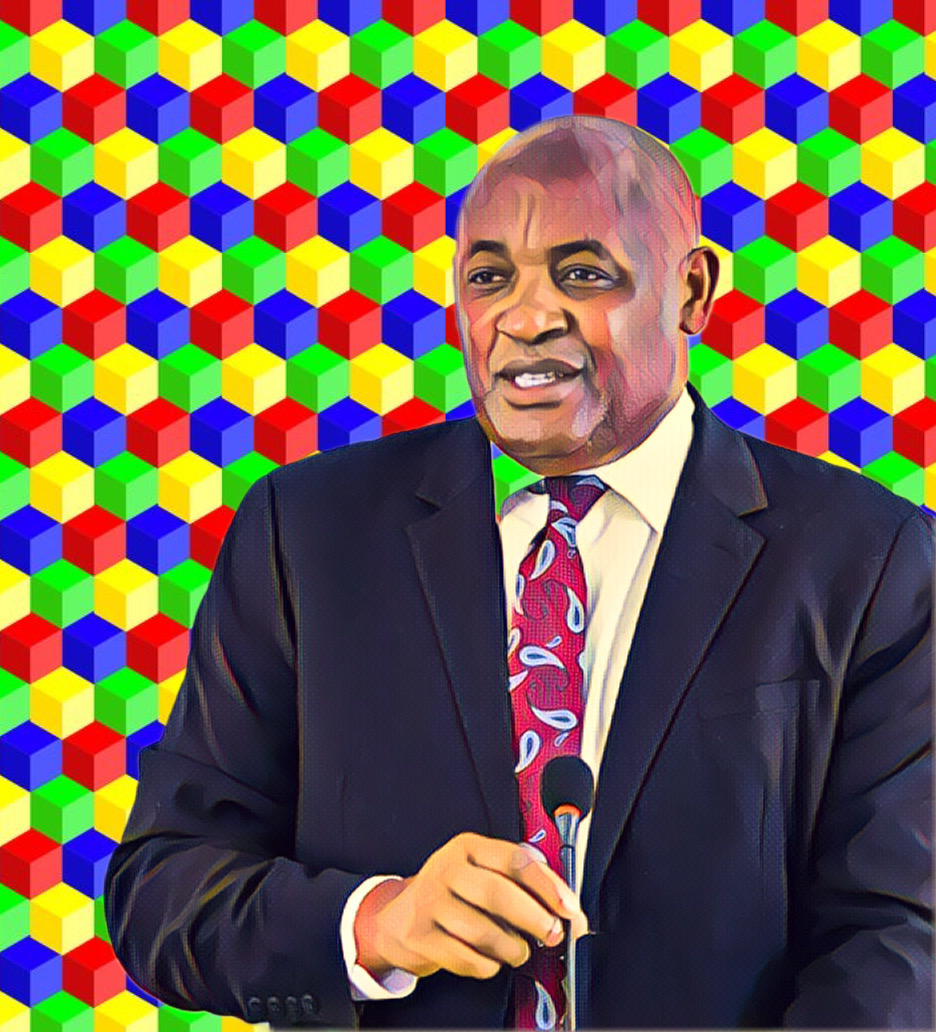
Health Minister Chris Baryomunsi said the measures were intended to keep Uganda free of the disease after Ebola infections were reported in Kenya and Nigeria among people who had travelled through the country.
Under the new rules, returning Ugandan citizens who have visited DR Congo must undergo quarantine at their own expense for 21 days.
The government has also said travellers who have been to DR Congo will not be allowed to transit through Uganda.
Tighter Screening at Airports and Land Borders
Uganda has intensified health screening at Entebbe International Airport and all land border crossings. Screening has also been introduced at designated road checkpoints.
Baryomunsi told the BBC’s Newsday programme that only essential travellers from DR Congo would be permitted to enter Uganda, subject to strict public health measures.
He said the restrictions were necessary because the outbreak remained a threat, particularly given the close links between communities on both sides of the border.
Trade, travel and family relationships regularly bring people between Uganda and DR Congo, making cross-border monitoring an important part of efforts to limit transmission.
The minister said Uganda needed to remain vigilant despite having previously been declared free of Ebola.
Cases in Kenya and Nigeria Raise Concerns
The latest restrictions follow reports that two people who travelled through Uganda tested positive for Ebola in Kenya and Nigeria this month.
The Kenyan patient was a businessman who had travelled from DR Congo, where he had business interests. He died two days after arriving in Nairobi.
Kenya has since confirmed eight additional Ebola cases, according to the BBC report. A second woman related to the businessman also died over the weekend.
In Nigeria, the patient was identified by Africa Centres for Disease Control and Prevention head Jean Kaseya as the Ugandan-born wife of a Swiss diplomat. She had travelled to Uganda’s capital, Kampala, for a holiday.
Ugandan officials had previously said the woman travelled to eastern DR Congo and passed through Uganda in transit.
However, Uganda’s Health Ministry said on Sunday that officials in Uganda and Nigeria were working together to establish her movements, full travel history and possible route of exposure.
The developments have raised questions about how the two patients contracted the disease and whether they were exposed while travelling through the region.
Ugandan Health Ministry Permanent Secretary Diana Atwine said CCTV footage showed no physical interaction between the Kenyan and Nigerian patients.
Uganda Says It Has No Active Ebola Cases
Uganda has repeatedly maintained that no Ebola cases have been reported within its borders during the current phase of the outbreak.
The country recorded 20 cases and two deaths shortly after the outbreak began in DR Congo. The World Health Organization declared Uganda free of the disease in August.
However, the infections reported in neighbouring countries have prompted renewed precautions, particularly because the affected travellers passed through Uganda.
The government is seeking to prevent further transmission by tightening border controls, screening travellers and monitoring people who may have been exposed.
Rare Ebola Strain Complicates Response
The outbreak involves the Bundibugyo species of Ebola, a relatively rare form of the disease.
Ebola spreads through direct contact with infected bodily fluids, including blood and vomit. Symptoms and disease progression can vary, but infections can be severe and potentially fatal.
According to the BBC, there is currently no approved vaccine or specific treatment for the Bundibugyo species, although trials are under way.
Uganda’s latest measures are aimed at reducing the risk of imported infections while health authorities continue monitoring developments in DR Congo and neighbouring countries.
The 21-day quarantine period will allow returning travellers to be monitored over an extended period as authorities work to prevent the outbreak from spreading further across the region.