
KEY POINTS
-
Algeria’s parliament approves sending troops to Niger, the country’s first overseas deployment since 1973.
-
The mission is intended to protect economic interests and energy infrastructure, including facilities linked to regional gas projects.
-
The decision signals improving Algeria-Niger relations amid persistent insecurity and diplomatic tensions across the Sahel.
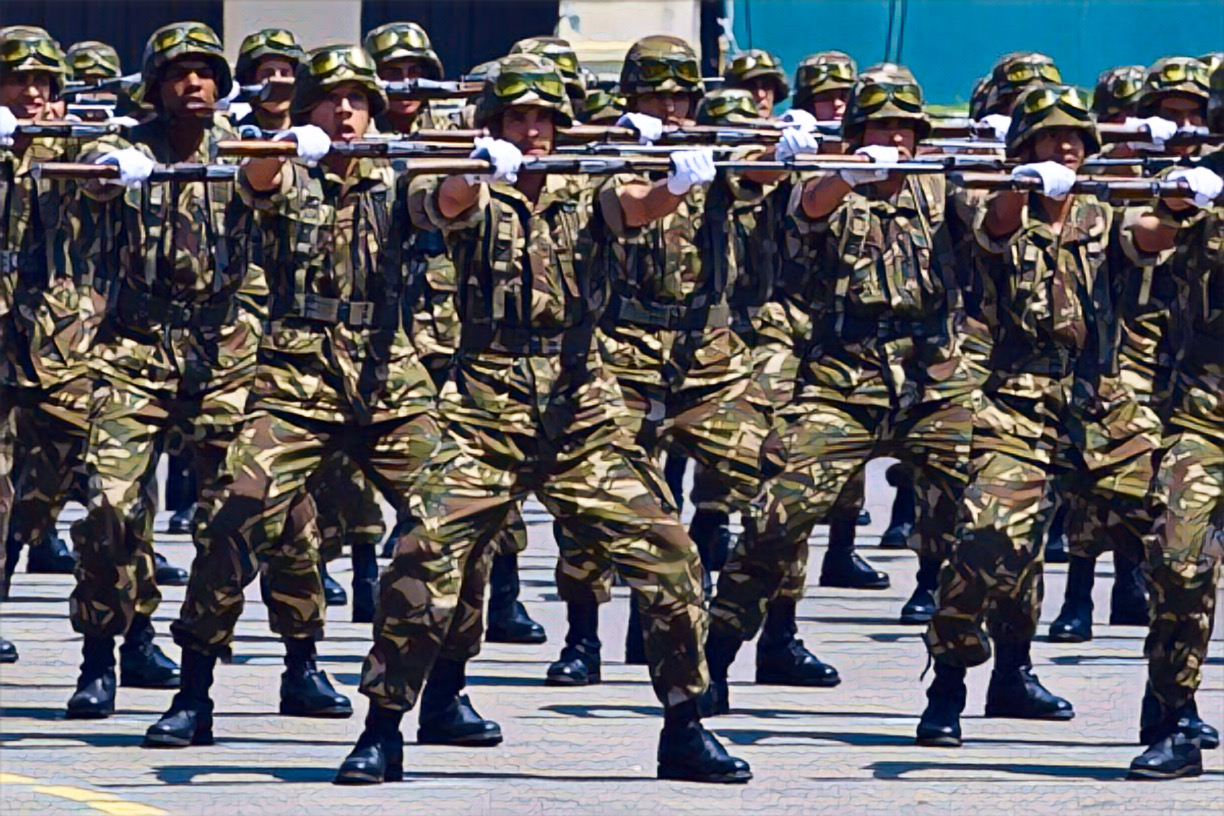
Algeria’s parliament has approved the deployment of troops to neighbouring Niger, marking the country’s first overseas military deployment since 1973, as Algiers seeks to protect its economic interests and strategic infrastructure in the Sahel region.
The resolution was approved on Sunday, October 25, 2026. However, Algerian authorities have not disclosed when or where the troops will be deployed or how many soldiers will take part in the mission.
Algerian Senator Belkacem Boulghiti said the deployment was intended to protect the country’s economic and strategic interests, particularly its oil facilities in Niger.
He stressed that the mission was not intended to wage war but to secure economic infrastructure amid changing security conditions across the Sahel.
Protecting energy infrastructure
Algeria’s planned deployment comes as the country pursues energy projects that could strengthen its position as a natural gas supplier to international markets.
Sonatrach, Algeria’s state-owned energy company and one of Africa’s largest corporations, is working with Niger on the proposed Trans-Saharan Gas Pipeline.
The project is designed to transport natural gas from Nigeria through Niger to Algeria for onward export to European markets.
The pipeline would make Niger an important transit country in the regional energy network, increasing the strategic importance of protecting infrastructure and maintaining cooperation among the participating countries.
Although Algerian officials have identified energy facilities as a key concern, they have not specified which installations the military detachment would protect or outlined the mission’s operational details.
Sahel faces persistent security threats
The deployment decision comes amid continuing instability across the western Sahel, particularly in Niger, Mali and Burkina Faso.
The three countries have experienced military coups in recent years and face attacks by armed groups linked to al-Qaida and the Islamic State group.
Their governments have also struggled with overstretched security forces as they attempt to contain armed violence and protect territory and critical infrastructure.
Algeria’s decision signals a willingness to consider a more direct military role in protecting its interests beyond its borders, although the authorities have framed the proposed mission around economic security rather than combat operations.
Relations between Algeria and Niger improve
The parliamentary approval also reflects improving relations between Algeria and Niger after a period of serious diplomatic tensions.
In August 2026, Algeria became the first country to publicly express support for Niger after aggrieved soldiers staged a mutiny against the military government led by General Abdourahmane Tchiani.
The attempted mutiny was repelled by forces loyal to the government, with assistance from Russian troops, according to the report.
Algeria subsequently sent a delegation to Niger’s capital, Niamey, accompanied by four combat fighter jets and a military transport aircraft. Niger’s ruling council described the move as a demonstration of strategic support.
Algeria’s foreign ministry had also issued a statement expressing solidarity with Niger following the attempted mutiny.
Diplomatic tensions followed a border incident
The improving relationship follows a period of strained ties between Algeria and the three countries now forming the Alliance of Sahel States: Niger, Mali and Burkina Faso.
In April 2026, the three countries recalled their ambassadors from Algeria after Algerian forces shot down a Malian drone near the border, an incident that further damaged relations.
Algeria had also condemned the 2023 coup that brought Tchiani to power in Niger.
The latest military cooperation therefore represents a notable shift in relations, particularly given the earlier disagreements over regional security and military rule.
First overseas deployment since 1973
The planned mission would be Algeria’s first deployment of troops abroad since 1973, when its soldiers were sent to support Egypt during the Arab-Israeli war.
The latest decision could strengthen security cooperation between Algeria and Niger while protecting infrastructure connected to their shared economic interests.
However, key details remain unclear, including the size of the deployment, its location, its duration and the precise responsibilities assigned to Algerian forces.