
KEY POINTS
-
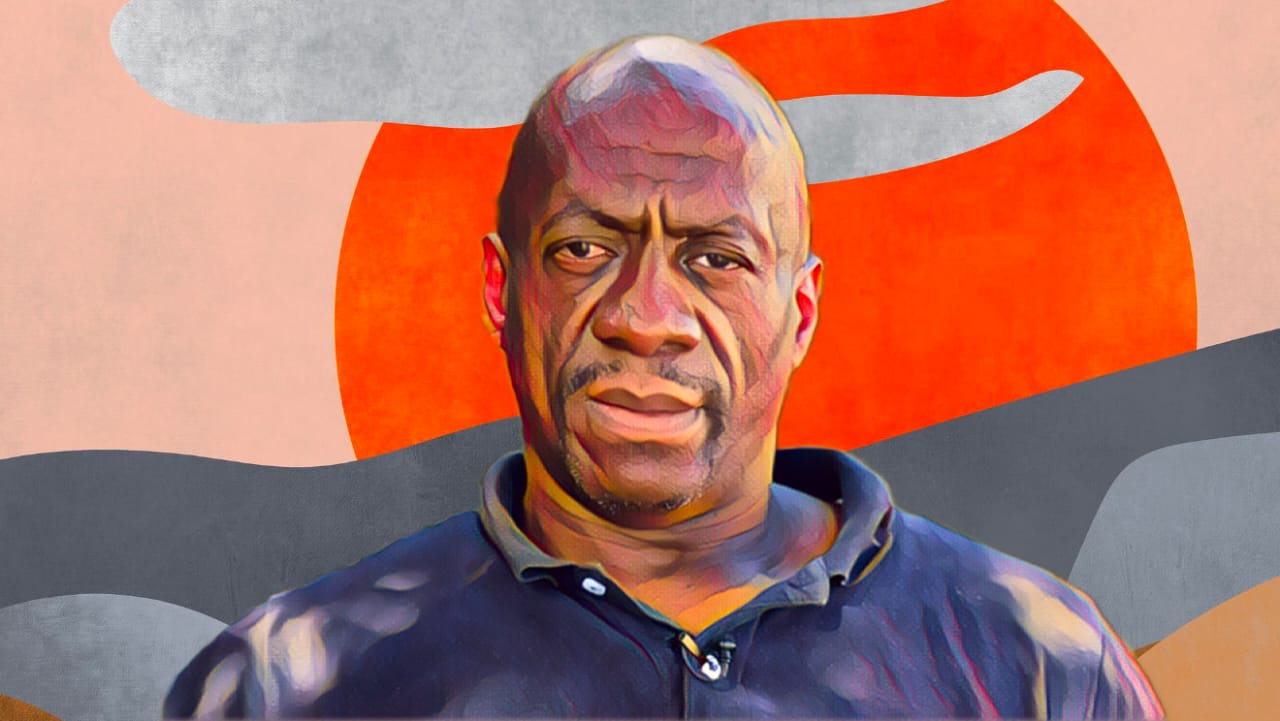
Tuku Nkosiyaphantsi discovered his 27-year-old daughter Okuhle had been murdered through a Facebook post in August.
-
He says no arrests have been made months after her burial and accuses police of failing to investigate her killing.
-
Rising violence against women has prompted community patrols, curfews and protests across parts of South Africa.
A South African father has accused police of failing to investigate the murder of his daughter after discovering she had been killed through a Facebook post reporting her disappearance.
Tuku Nkosiyaphantsi said he had been unable to reach his 27-year-old daughter, Okuhle, for several days in August when two neighbours informed him that police had published a missing-person report on Facebook.
The neighbours also showed him a photograph of a woman who appeared injured.
Nkosiyaphantsi said he recognised his daughter in the image and contacted a police officer he knew, who confirmed that she had been killed and her body dumped near a river in Kokstad, an agricultural town in KwaZulu-Natal province.
He was unable to identify her body immediately because the morgue was closed for the weekend. When he visited on Monday morning, he discovered that Okuhle had been mutilated and her face badly beaten.
He described the experience as deeply painful, saying he struggled to accept what had happened.
Okuhle was a civil engineering student and mother of two children, aged three and nine.
Father accuses police of neglecting investigation
Months after Okuhle’s killing, Nkosiyaphantsi says nobody has been arrested, accusing authorities of failing to make meaningful progress in the investigation.
He believes police did not review CCTV footage from a local government building that could have shown who his daughter was with on the day she disappeared. According to him, the footage was erased after seven days.
Nkosiyaphantsi said the investigation appeared to have gone silent after his daughter’s burial and expressed frustration over the lack of updates from authorities.
The BBC contacted the South African Police Service for comment but had not received a response at the time of publication.
Police have previously acknowledged shortcomings in their response to gender-based violence and femicide, saying they continue to invest in addressing the challenges. Acting Police Minister Firoz Cachalia has also called for stronger efforts to prevent violence against women and children.
Hundreds of women killed as violence continues
Okuhle was among 581 women killed in South Africa between July and September, according to police figures. The country recorded 5,590 murders during the same period, 204 fewer than in the corresponding period last year.
The latest figures represent the first time police have published a breakdown of murders by gender, making it difficult to determine whether the number of women killed has increased or declined compared with previous years.
South Africa has one of the world’s highest rates of gender-based violence and femicide, with renewed public outrage following the discovery of the partially naked and bruised bodies of 12 women in public areas of Ekurhuleni, east of Johannesburg, during the summer.
The killings triggered protests and calls for stronger government action. President Cyril Ramaphosa promised safety audits across municipalities to identify dangerous areas for women and pledged increased police presence in communities most affected by violence.
However, a 2024 report by the South African Medical Research Council warned that unresolved femicide cases were increasing. Amnesty International also criticised the police service as under-resourced, poorly equipped and inadequately trained to respond effectively to gender-based violence.
Communities organise night patrols and curfews
In Kokstad, residents have begun organising night-time patrols and imposing community curfews in response to a series of killings.
Between January and October, the bodies of five women and three young children were discovered in the town, with arrests made in only two of the cases.
Since June, community members have advised children to remain indoors after sunset and women to return home by 21:00.
A neighbourhood watch group led by 34-year-old Kamvalethu Cetywayo has organised patrols involving around 15 men who monitor crime hotspots, including areas where bodies have been found and locations where residents have reported disturbances.
The patrols generally take place from Thursday to Sunday, when alcohol consumption is higher. Members carry sticks, whips and torches, while Cetywayo carries a licensed firearm. The group says it contacts police when additional assistance is required.
Cetywayo described the curfew as a voluntary and temporary measure intended to protect residents until the killers are apprehended.
Women change routines to protect themselves
The killings have also forced women in other parts of South Africa to adopt additional safety measures.
Kgothatso Mojela, 35, said she was attacked in 2018 while travelling to work in a taxi in Kempton Park. She alleged that the driver locked the doors, changed direction and began assaulting her after she questioned him.
Mojela said she escaped by forcing open the passenger door and jumping out of the moving vehicle, sustaining serious knee injuries and nerve damage to her eyes.
She said the attacker was subsequently jailed for several offences, including the assault, but was released last year, leaving her fearful for her safety.
Mojela has since changed how she lives, including purchasing an imitation firearm to deter potential attackers and avoiding running alone. She also ensures that someone accompanies her when meeting unfamiliar clients.
The South African Medical Research Council has previously reported that 60% of women murdered in the country between 2020 and 2021 were killed by intimate partners, underscoring the fact that violence against women is not limited to attacks by strangers.
Running groups introduce new safety measures
The murder of 38-year-old Elizabeth Moselakgomo, whose body was found near a motorway in Kempton Park after she disappeared while running on September 9, has also heightened fears among women in the running community.
Sisters Zonke and Zama Mthethwa, who founded the Johannesburg-based women’s running group The Pack nine years ago, said the incident prompted them to introduce additional safety measures.
Members now carry pepper spray and whistles, arrange for vehicles to follow them during runs and receive self-defence training.
Zama said the group was working to create safer environments where women could continue participating in activities they enjoy without fear.
Mojela, who has since moved closer to her parents in another part of the country, recently shared her experience publicly during a prayer march organised by her mother to remember women killed in South Africa.
She urged survivors of violence not to blame themselves, saying they were not alone and could rebuild their lives after traumatic experiences.