
KEY POINTS
- COP31 ended in Antalya without an overarching political agreement.
- Disagreements over fossil fuels and climate finance prevented consensus.
- More than 90 countries backed an electrification pledge, but delegates said wider climate action remained insufficient.
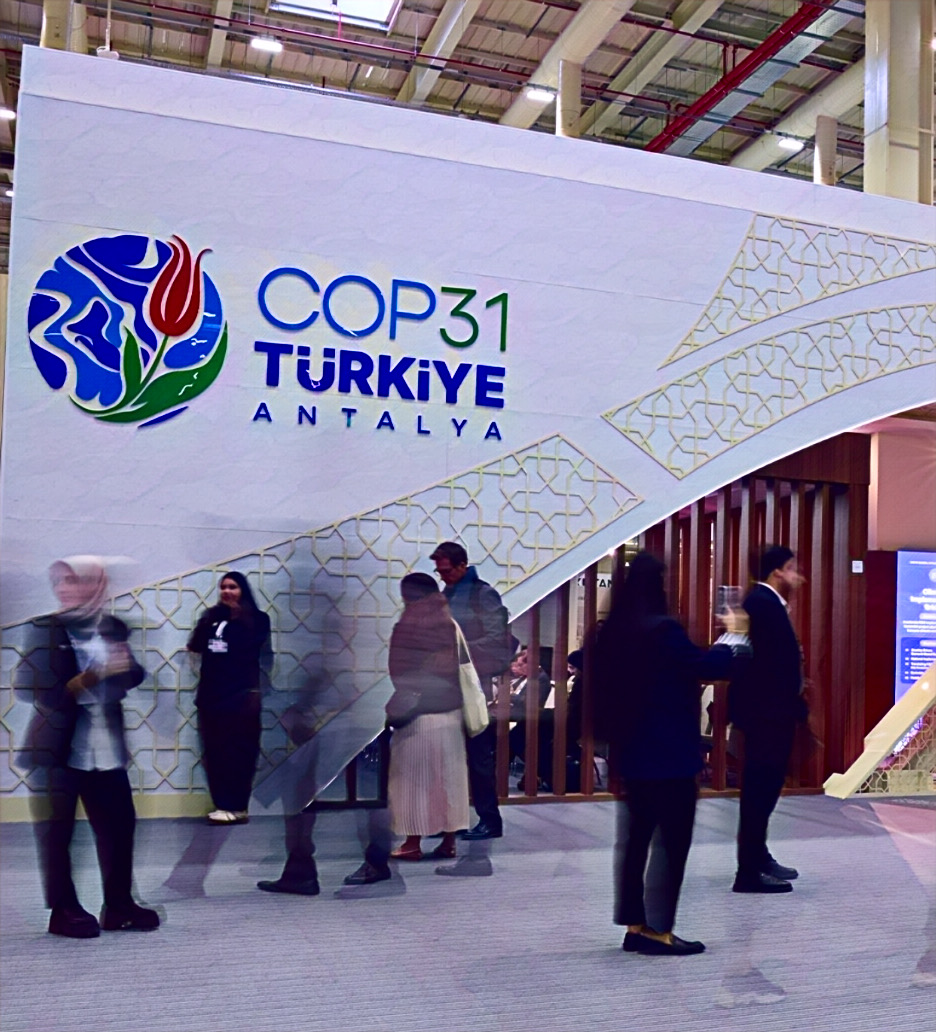
The COP31 climate talks in Antalya, Türkiye, ended without an overarching political agreement on Sunday, Nov. 22, after participating countries failed to bridge major differences over how to address climate change. The negotiations ran beyond their scheduled conclusion, but delegates could not agree on a final political decision. Disputes over the role of fossil fuels, climate finance and the response to global warming remained unresolved. The breakdown marked a significant setback for countries seeking a common position on the next phase of international climate action.
COP31 climate talks fail to reach political agreement
One of the central disagreements concerned whether the final text should explicitly address the transition away from fossil fuels. Some countries insisted that the agreement should recognise the role of oil, gas and coal in driving climate change. Others opposed including such language, warning that restrictions on fossil fuel supply could create economic and energy security challenges. Consequently, negotiators could not agree on wording that would satisfy both groups. COP31 negotiations president Chris Bowen acknowledged that the disagreement over fossil fuels had prevented consensus.
The dispute also exposed differences over climate finance and support for vulnerable countries. Developing nations called for stronger commitments to fund adaptation, technology transfer and responses to climate-related losses and damage. Kenya’s delegation criticised the proposed outcome for failing to recognise Africa’s specific needs and circumstances. Meanwhile, the United Nations Secretary-General António Guterres expressed disappointment that governments had failed to agree on an overarching decision.
Countries react as climate negotiations collapse
The European Union rejected the proposed outcome because it did not mention fossil fuels, which the bloc considers central to the climate crisis. The United Kingdom, Norway and other countries also criticised the draft, arguing that it fell short of the ambition required by the science. On the other hand, Russia opposed language on fossil fuels, with its delegation warning that reducing supply faster than demand could trigger price shocks and energy poverty. Saudi Arabia argued that all potential climate solutions should remain available.
Despite the failure to reach a broad agreement, the summit recorded progress on some separate initiatives. More than 90 countries signed an electrification pledge, which Bowen described as a positive commitment to clean energy. Delegates also advanced discussions on adaptation and other areas of climate cooperation. However, negotiators said these developments could not replace the wider political agreement they had sought. The absence of consensus meant that several important issues would remain unresolved.
The collapse has renewed concerns about the ability of the United Nations climate process to deliver collective decisions at a time when countries face rising climate risks. Delegations from vulnerable nations said the proposed text did not provide sufficient protection for communities already experiencing the effects of extreme weather. In addition, the dispute over climate finance highlighted continuing differences between developed and developing countries over responsibility for funding climate action.
COP31 president Murat Kurum said there would be no new negotiating text without consensus and that countries would proceed with implementing existing decisions. This means the unresolved issues will require further negotiations rather than a new agreement emerging from the Antalya summit. Delegates are now looking towards the next round of talks in Ethiopia, where countries will face renewed pressure to make progress.
Ultimately, COP31 ended with some individual commitments but without the overarching deal many countries had expected. The disagreement over fossil fuels demonstrated how difficult it remains to reconcile the interests of energy producers, developing economies and nations seeking faster emissions reductions. The challenge for future negotiations will be to turn those competing priorities into a workable framework for climate action.