
KEY POINTS
-
Egypt and China are discussing a memorandum to twin the Giza Pyramids complex with the Great Wall of China.
-
The proposed agreement would promote cooperation in heritage protection, museum management and the exchange of expertise.
-
Talks also covered Egyptian antiquities exhibitions in Chinese cities, museum staff exchanges and the use of artificial intelligence in displays.
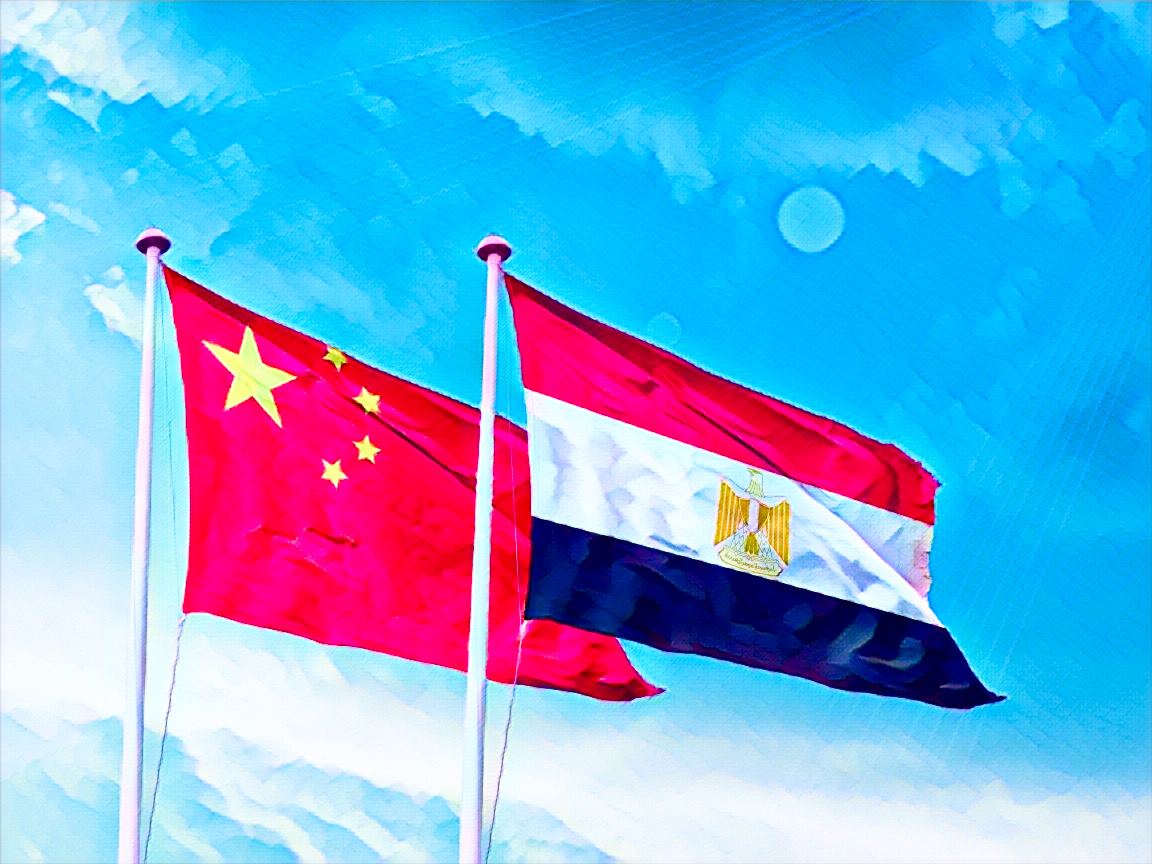
Egypt and China are discussing a proposal to establish a formal partnership between the Giza Pyramids complex and the Great Wall of China, two of the world’s most recognised historical landmarks.
Egypt’s Ministry of Tourism and Antiquities said on Monday that discussions had focused on signing a memorandum of understanding to twin the two sites, both of which are listed as UNESCO World Heritage sites.
The proposed partnership is expected to create opportunities for the countries to exchange expertise and share best practices in the protection, preservation and management of important cultural heritage sites.
The proposal was discussed during meetings between Egypt’s Minister of Tourism and Antiquities, Sherif Fathi, and representatives of Chinese museums and cultural institutions in Hainan province.
Fathi was in China to open Egypt’s pavilion at the 11th Chinese Exposition of Museums and Relevant Products and Technologies (MPT Expo).
The Egyptian ministry did not provide a timeline for signing the proposed memorandum, while Chinese authorities had not issued an immediate public response.
Egypt seeks to expand antiquities exhibitions in China
The discussions also covered plans to organise temporary exhibitions of Egyptian antiquities in several Chinese cities.
The proposal builds on the exhibition titled “Ancient Egypt Unveiled: Treasures from Egyptian Museums”, which was hosted at the Hong Kong Palace Museum from November 2025 to August 2026.
Egypt’s tourism ministry said the exhibition attracted large crowds but did not disclose attendance figures.
Fathi described international exhibitions as an effective way to promote Egypt as a tourist destination, particularly in China.
He identified China as a promising tourism market, citing growing interest in cultural tourism among Chinese travellers, especially younger visitors.
The minister said expanding exhibitions in the country could help introduce more Chinese audiences to Egypt’s historical collections and encourage travel to its archaeological attractions.
Talks cover museum exchanges and artificial intelligence
Egypt and China also discussed joint staff exchange programmes involving Chinese museums and the Grand Egyptian Museum in Cairo.
Another area of cooperation was the use of artificial intelligence and other modern technologies to improve museum displays and visitors’ experiences.
Fathi also reviewed recent underwater archaeological discoveries in Egypt and referred to an agreement signed with China last year to strengthen cooperation in underwater archaeology.
The proposed collaboration would provide opportunities for both countries to share technical knowledge and expertise in archaeological research, preservation and museum development.
Partnership builds on 70 years of diplomatic relations
Fathi said the 70th anniversary of diplomatic relations between Egypt and China this year provided an opportunity to expand cooperation in tourism and culture.
Relations between the two countries were upgraded to a comprehensive strategic partnership under Egyptian President Abdel Fattah al-Sisi and Chinese President Xi Jinping.
Officials attending the discussions included Louis Ng Chi-wa, director of the Hong Kong Palace Museum, and representatives of the Great Wall administration in Beijing’s Yanqing district and the Capital Museum in Beijing.
Egypt was also represented by Ahmed Ghoneim, chief executive of the Grand Egyptian Museum authority, and Hisham El-Leithy, secretary-general of the country’s Supreme Council of Antiquities.
The proposed twinning arrangement would add to existing cultural cooperation between the two countries, with a focus on protecting major historical landmarks, strengthening museum partnerships and promoting tourism.