
KEY POINTS
-
UK prepares to evacuate British Ebola patient.
-
Expert says risk to UK public is extremely low.
-
Three previous UK patients recovered without onward transmission.
The United Kingdom government is preparing to evacuate a British healthcare worker who tested positive for Ebola in the Democratic Republic of Congo (DRC), as health experts reassure the public that the risk of transmission in Britain remains extremely low.
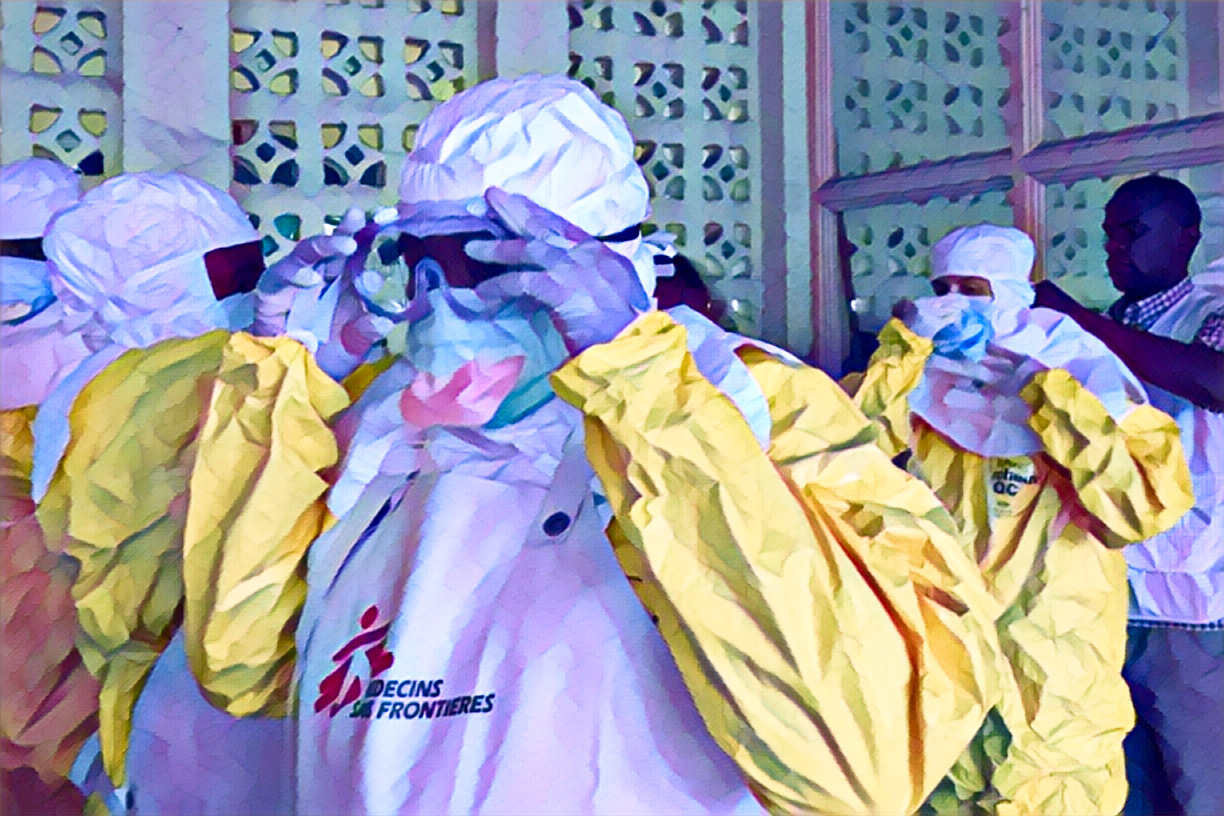
The man is believed to have contracted the virus while working for a humanitarian organisation involved in responding to the ongoing outbreak in the DRC. His medical evacuation was confirmed on November 4, 2026.
The case is the first involving a British national infected with the Bundibugyo virus, which is responsible for the current outbreak centred on the DRC. The outbreak has reportedly caused more than 5,000 deaths.
Expert Says Risk to UK Public Is Low
Dr Damien Tully, an Associate Professor at the Medical Research Council/Uganda Virus Research Institute and London School of Hygiene and Tropical Medicine Uganda Research Unit, said the infection was concerning but not unexpected.
He explained that healthcare workers responding to Ebola outbreaks face significant risks because they regularly treat severely ill patients under difficult conditions. Accidental exposure can occur even when strict protective measures are in place.
However, Tully stressed that the case did not indicate that the virus had become more transmissible or that the threat to the UK population had increased.
Unlike respiratory infections such as COVID-19 and influenza, Ebola spreads primarily through direct contact with the bodily fluids of infected people. Individuals are generally not infectious until they develop symptoms, making early identification, isolation and infection prevention measures effective in limiting transmission.
UK Activates Specialist Isolation Procedures
Tully said the UK has established systems for managing viral haemorrhagic fever cases, including two high-level isolation facilities at the Royal Free Hospital in London and the Royal Victoria Infirmary in Newcastle.
The facilities are equipped with specialist isolation systems and staffed by trained infectious disease teams.
The planned evacuation will allow the National Health Service’s specialist infectious disease network to coordinate medical transportation, isolation arrangements and monitoring of anyone who may have been exposed before the patient arrives.
These precautions are designed to minimise the possibility of transmission to healthcare workers and the wider public.
Previous Ebola Cases Provide Reassurance
The expert pointed to Britain’s experience during the 2014–2016 West African Ebola epidemic, when three infected healthcare workers were treated in the country.
Two of the patients were medically evacuated from Sierra Leone. All three recovered, and no onward transmission was recorded in the UK.
He said the experience demonstrated that specialist isolation facilities and established infection prevention procedures could successfully manage patients infected overseas without exposing the wider population.
Focus Remains on Outbreak in Central Africa
Despite concerns surrounding the British patient’s evacuation, Tully said the greatest danger remained in communities affected by the outbreak in the DRC and neighbouring parts of the region.
He emphasised the need to protect frontline healthcare workers, identify and isolate infected people quickly, and interrupt transmission at its source.
These measures, he said, remain essential to preventing further infections and limiting the international spread of the virus.