
KEY POINTS
- Trump plans to remove South Africa and Rwanda from AGOA on Jan. 1, 2027.
- The U.S. cited trade barriers, security concerns and corruption in South Africa.
- South Africa says it will speed up efforts to diversify its export markets.
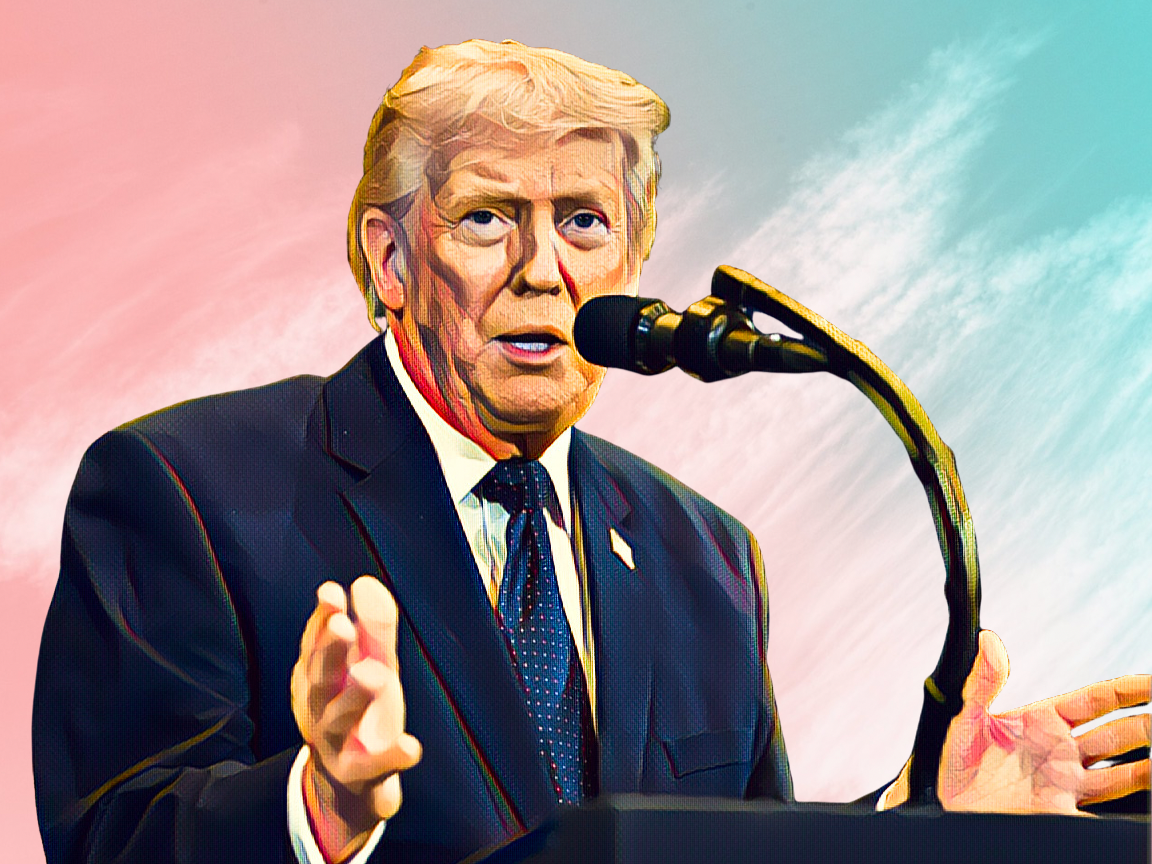
President Donald Trump has notified Congress that he intends to remove South Africa and Rwanda from the AGOA trade program starting Jan. 1, 2027, the BBC reported.
The African Growth and Opportunity Act lets eligible African countries export thousands of products to the U.S. duty-free. But U.S. Trade Representative Jamieson Greer said an annual review found both countries engaging in practices inconsistent with the program’s eligibility rules. Washington has also informed the two governments directly, he said.
The administration cited barriers to U.S. trade and investment, along with national security and foreign policy concerns in the region. In South Africa’s case, it also pointed to corruption.
Greer said the administration is working to make sure its African partners take the steps needed to meet the program’s criteria.
South Africa pushes back on AGOA trade decision
South Africa’s Trade Minister Parks Tau called the decision unfortunate. He said Washington was raising new issues that had not come up in trade talks between the two countries, which began in 2025.
Instead, he said, South Africa will speed up efforts to diversify its export markets to protect jobs.
U.S. Ambassador to South Africa Leo Brent Bozell III, however, put the blame on Pretoria. Writing on X, he called the outcome “predictable and preventable,” saying it stemmed from the South African government’s rejection of real U.S. concerns.
Relations between the two countries have been strained for some time. Last year, Trump accused South Africa of white genocide during a White House meeting with President Cyril Ramaphosa. He also launched a U.S. refugee pathway for Afrikaners.
Rwanda faces rights and Congo concerns
Meanwhile, Washington raised additional concerns over Rwanda, including human rights, political pluralism, the rule of law and workers’ rights.
The decision also comes barely a week after the U.S. Treasury sanctioned Rwanda’s defense ministry over its alleged role in the armed rebellion in eastern Congo. According to the Treasury, the ministry sent thousands of troops to fight alongside M23 rebels and supplied them with weapons, equipment, logistics and training.