
KEY POINTS
-
Kenyan pastor Paul Mackenzie and 29 followers face a verdict over 191 alleged murders.
-
More than 400 bodies were discovered in shallow graves in Shakahola forest.
-
Survivors and relatives describe starvation, restrictions on medicine and devastating family losses.
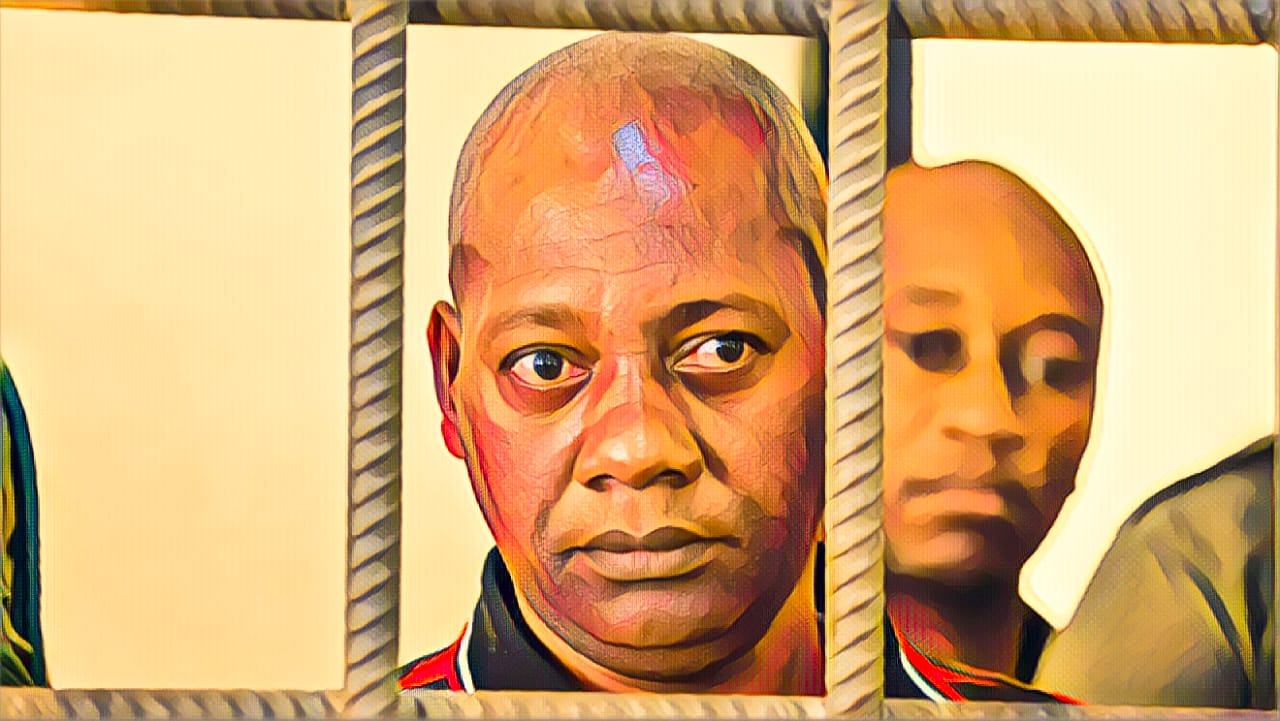
A Kenyan court has begun delivering its verdict in the mass murder case against doomsday preacher Paul Mackenzie and 29 of his followers, who are accused of murdering 191 people, all but one of them children.
Prosecutors allege that Mackenzie and members of his religious group encouraged or forced followers to starve themselves and their children to death in Shakahola forest near Kenya’s coast, claiming the practice would help them meet Jesus.
Mackenzie and the other defendants have pleaded not guilty, insisting that nobody was forced to die. The case marks the first time the pastor faces a verdict on the most serious murder charges arising from the Shakahola tragedy.
More than 400 bodies discovered in forest
The Shakahola case came to national and international attention in 2023 after authorities began investigating reports of deaths in the forest, where Mackenzie had encouraged followers to settle.
Investigators eventually uncovered more than 400 bodies in shallow graves. Many of the victims were children, and some remains were so badly decomposed that authorities struggled to establish their identities.
Court documents in the murder case list 191 alleged victims, including 190 children. Some are identified only as unknown children, with details about where and when their remains were discovered.
People recruited to exhume the bodies described disturbing scenes, including graves containing several victims buried together. Some children’s bodies were reportedly found with their hands and legs tied or wrapped in bedsheets.
The discoveries exposed the scale of the deaths and raised questions about how the group operated for an extended period without the full extent of the tragedy being uncovered.
Pastor’s teachings rejected education and medicine
Mackenzie founded Good News International Ministries in 2003 and built a following across Kenya over the next 16 years. His church also operated Times TV, which broadcast his sermons from Malindi.
His teachings reportedly portrayed formal education as evil, modern healthcare as contrary to religious doctrine and digital identity cards as associated with the devil.
The church’s main operations closed in 2019, after which Mackenzie moved to Shakahola forest and encouraged followers to join him there.
According to accounts from former members and relatives of victims, life in the forest revolved around religious beliefs, fasting and restrictions on access to medical treatment. Prosecutors allege that the group’s practices contributed to deaths through starvation and other forms of violence.
Mackenzie and several of his followers also face separate legal proceedings involving allegations of terrorism, radicalisation and denying children access to education.
Father says he lost all six children
Stephen Mwiti, a 48-year-old father, told the BBC that all six of his children died in Shakahola forest. He said he was able to recover and bury the remains of only one of them, his son Samuel.
Mwiti recalled confronting Mackenzie at his home and seeing women and children around the preacher. He said his former wife is among the people accused alongside Mackenzie.
His account illustrates the impact of the tragedy on families whose relatives joined the religious group and died in the forest.
Local residents also told the BBC that followers sometimes travelled to nearby communities to buy supplies and collect water from the River Galana. However, the group’s secretive activities made it difficult for outsiders to understand what was happening inside the forest.
Some residents were reportedly paid to dig graves, with one worker saying he received about $8 a day.
Survivors describe life inside the group
Peter Shukrani, who joined Mackenzie’s church as a child, said his mother moved with him to Shakahola. He became seriously ill while living there, but his mother reportedly discarded the medication he needed because she believed that God alone could heal him.
Shukrani was rescued in March 2023 after becoming bedridden and remaining ill for weeks. He said he believed he would have died had he not been removed from the forest.
Despite his experience, Shukrani continues to defend Mackenzie, saying followers made their own decisions about fasting and that the pastor did not force anyone to participate.
The position contrasts with that of Mackenzie’s son, Dan Paul Mackenzie, who believes his father should be found guilty, arguing that the preacher was responsible because followers looked up to him as their leader.
The differing accounts underline the complexity of the case, which involves allegations of coercion, religious influence and responsibility for the deaths of vulnerable followers.
Verdict could mark a key stage in the case
The murder proceedings are among several legal cases involving Mackenzie and his associates. The verdict will address the most serious charges linked to the deaths of 191 alleged victims.
The discovery of hundreds of bodies in Shakahola has prompted scrutiny of the activities of religious groups, the protection of children and the ability of authorities to intervene when harmful practices are suspected.
The defendants have denied the murder allegations, and the court’s decision will determine their criminal responsibility in this case.