
Key points
- The UAE condemned TPLF attacks on Sept. 25 and backed Ethiopia’s sovereignty.
- Saudi Arabia has made no public comment on the renewed fighting.
- Neither Gulf state is shown to be leading efforts to contain the crisis.
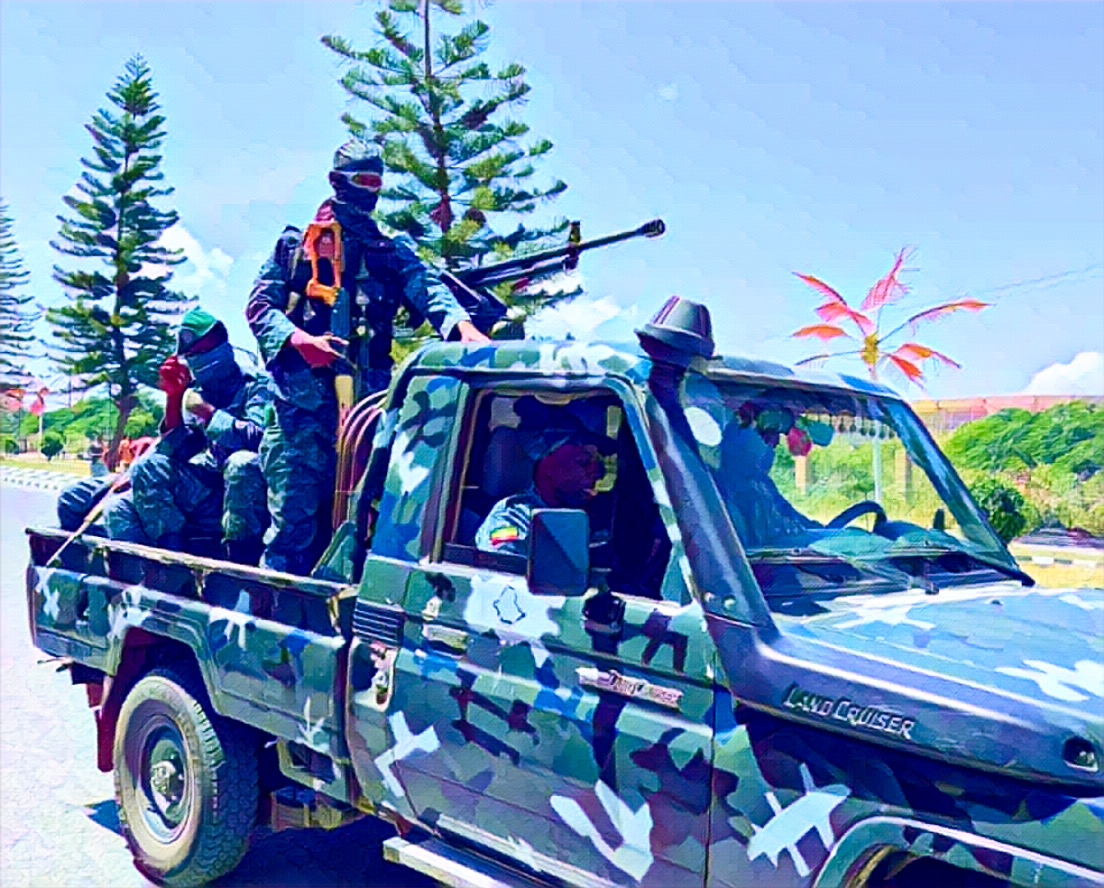
As fighting in Ethiopia’s Tigray region threatens to destabilize the Horn of Africa, the United Arab Emirates and Saudi Arabia are drawing scrutiny over where they stand. Both have strategic interests in the region, but their public positions differ sharply.
The renewed fighting threatens the November 2022 Pretoria peace agreement, which ended the earlier war between Ethiopia’s federal government and Tigrayan forces. Tensions with Eritrea add to the risk of a wider confrontation.
The UAE: clear alignment, unproven leverage
On Sept. 25, the UAE condemned attacks by the Tigray People’s Liberation Front and allied groups on federal forces, the seizure of airports in Tigray and the escalation in Afar and Amhara.
Minister of State Sheikh Shakhboot bin Nahyan Al Nahyan reaffirmed support for Ethiopia’s sovereignty and territorial integrity. He also called for an end to hostilities, civilian protection and adherence to the Pretoria Agreement.
The statement did not say whether the UAE is providing military help. Commercial ties explain Abu Dhabi’s interest, since DP World runs Berbera port in Somaliland and a 2025 shipping route links it to Jebel Ali. However, those links do not show the UAE can sway the TPLF or Eritrea.
Saudi Arabia: diplomatic experience, uncertain engagement
Riyadh has not publicly stated a position, according to an Oct. 1 Critical Threats analysis. Earlier this year it worked to reduce tensions between Addis Ababa and the TPLF, and Chatham House reported in November 2025 that it offered to mediate between Ethiopia and Eritrea.
A June 2026 SWP analysis said past efforts failed partly because they ignored Ethiopia’s interest in the Eritrean port of Assab.
The Soufan Center described Saudi Arabia and Egypt in August as backing Eritrea against Ethiopia’s Red Sea ambitions, though that is an assessment of alignment, not proof of military support.
Egypt, Eritrea and the wider risk
Egypt’s dispute with Ethiopia over the Grand Ethiopian Renaissance Dam and its growing ties with Eritrea add tension. Ethiopia’s army chief accused Egypt and Sudan in September of backing armed groups, without evidence, and Cairo reaffirmed non-interference. Ethiopia also accuses Eritrea of sending troops across the border, which Asmara denies.
Ultimately, a lasting settlement depends on the parties themselves. External powers can encourage restraint and credible talks, but their influence should be judged by outcomes rather than statements.