
KEY POINTS
- Egypt and Sudan reaffirm cooperation on Nile River issues.
- The Ethiopia dam dispute drives Cairo-Khartoum coordination.
- War displacement strains both countries’ resources.
Egypt is moving to breathe new life into its strained relationship with Sudan, as both nations confront an increasingly entrenched dispute over the Nile River.
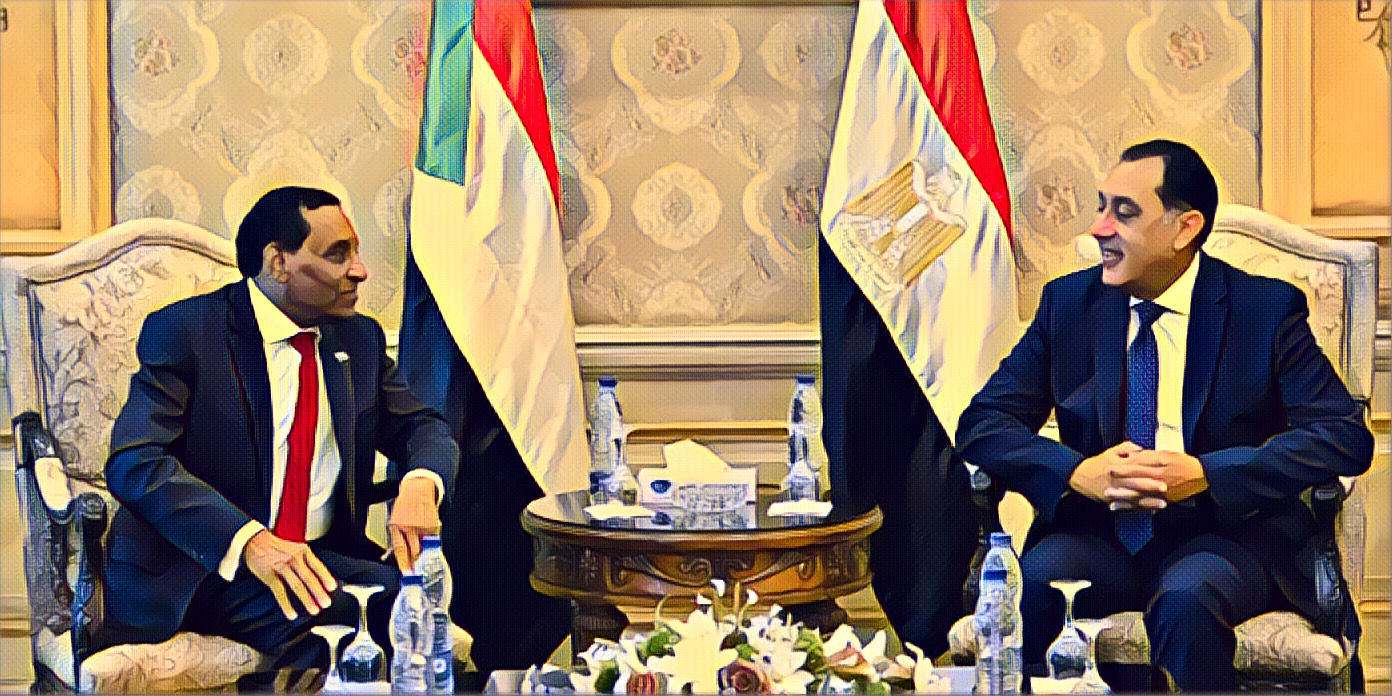
On Thursday, Sudanese Prime Minister Kamil al-Taib Idris paid his first official visit abroad since taking office, arriving in Cairo to meet Egyptian President Abdel Fattah el-Sissi and hold joint talks with Prime Minister Mustafa Madbouly. The discussions centered on cooperation, regional stability, and the growing frustration with Ethiopia’s handling of its massive dam project.
Ethiopia dam standoff tests Egypt-Sudan unity
Madbouly reiterated Egypt’s “complete rejection” of what he called Ethiopia’s unilateral actions over the Grand Ethiopian Renaissance Dam (GERD).
The $4.8 billion project, now complete, has been a flashpoint for years, with Cairo warning it will shrink Egypt’s share of the Nile—the lifeblood for its farms and its 100 million-plus people.
Last month, Egypt accused Addis Ababa of lacking the political will to reach a binding deal, despite repeated rounds of negotiations. For Sudan, also a downstream country, the stakes are equally high: the dam’s operations could alter water flows critical to agriculture and livelihoods.
Focus shifts to rebuilding cooperation
Speaking alongside Madbouly, Idris struck an optimistic tone, saying there was “agreement” and “consensus” on the issues discussed. His visit marks a rare moment of diplomatic outreach from a country still gripped by war—and signals both governments’ willingness to coordinate on the Nile while exploring broader cooperation.
Since April 2023, a brutal civil conflict has gripped Sudan, pitting the military against the paramilitary Rapid Support Forces. The fighting has killed more than 40,000 people, displaced over 7 million internally, and sent 1.5 million fleeing north into Egypt.
War’s heavy toll lingers on Sudanese cities
In Khartoum, much of the capital lies in ruins. The destruction of the presidential palace and airport has left electricity patchy, and the restoration of essential services is far from complete. Still, signs of life are returning—markets have reopened, and some residents have begun to trickle back.
Egypt has prioritized stability in its southern neighbor due to its hosting of the largest number of Sudanese refugees. For Sudan, rekindling cooperation with Cairo offers both a political lifeline and a potential partner in navigating the Nile dispute that continues to shape regional diplomacy.