
KEY POINTS
- Starlink South Africa licensing dispute centers on ownership rules
- .Musk says race based laws block Starlink’s market entry.
- Starlink South Africa licensing dispute persists despite investment pledges.
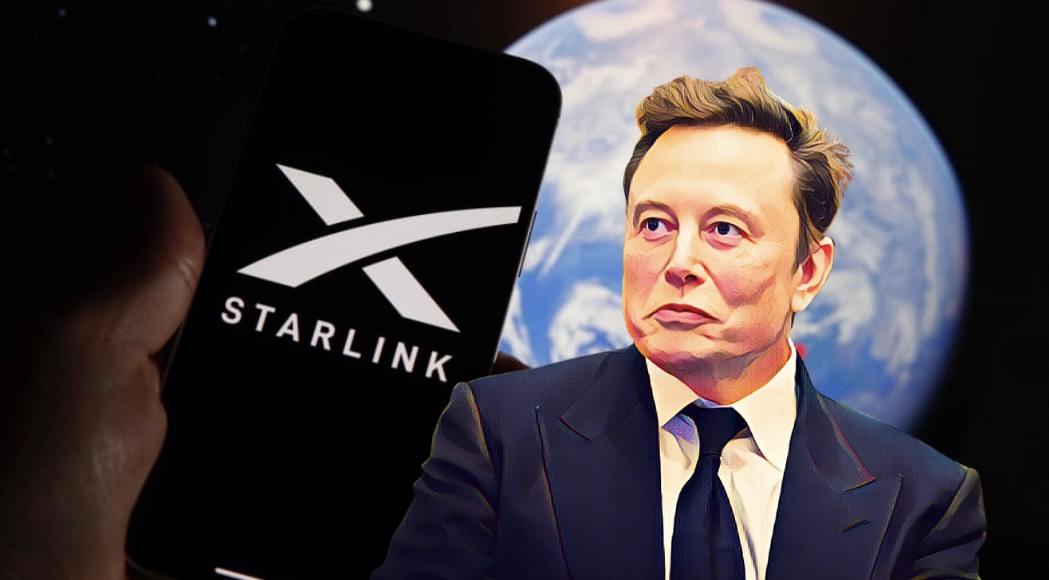
Elon Musk renewed his criticism of South Africa’s telecom regulations, saying they prevent his satellite internet company, Starlink, from operating in the country because he is not Black, reopening a debate over race based economic policies and foreign investment.
In a post on X on Monday, the SpaceX chief executive said Starlink was denied an internet service provider license solely on the basis of race. He was responding to remarks he made at the 2025 Qatar Economic Forum, where he criticized laws that grant preferential treatment based on racial classification.
“There should be a fair and even playing field,” Musk wrote, arguing that South Africa’s regulatory environment discourages investment and innovation.
Starlink South Africa licensing dispute explained
Musk’s comments target South Africa’s broad based Black Economic Empowerment framework, which seeks to redress apartheid era exclusion by requiring meaningful participation of Black South Africans in the economy. Under current telecom rules, license applicants must ensure at least 30 percent ownership by historically disadvantaged groups, including Black South Africans, women, youth and people with disabilities.
The Institute of Race Relations’ Index of Race Law shows that 145 race based laws were in force as of January 2025, more than at the height of apartheid. Some critics say that some of these steps make the law less clear and make it harder for people to get in.
David Ansara, the head of the Free Market Foundation, said that the Employment Equity Amendment Act is one of the most controversial laws because it requires racial classification without clear guidelines and permits quotas for specific sectors that can effectively keep some groups out of certain industries.
Starlink South Africa licensing dispute and investments
Starlink says it supports the goals of Black Economic Empowerment but opposes the ownership requirement for telecom licensing. Instead, the company has proposed equity equivalent investment programmes that allow foreign firms to contribute through infrastructure development, skills training and community projects rather than direct shareholding.
According to Billionaires Africa, the company has pledged R500 million ($30.4 million) to provide free high-speed internet and equipment to 5,000 rural schools and plans total investments of about R2 billion ($121.8 million) in South Africa. Communications Minister Solly Malatsi has directed the telecom regulator, Icasa, to align licensing rules with updated ICT sector codes under B-BBEE policy.
Starlink said regulatory changes could be implemented quickly. “By correcting just four sentences in the regulations, Starlink could serve the entire country within weeks,” the company said, adding it is not seeking exemptions and will comply fully once licensed.
Starlink began expanding across Africa in 2022 and now operates in countries including Namibia, Cameroon, Lesotho, Somalia and Congo after securing regulatory approvals. Musk, whose net worth is estimated at $639 billion, has said the company will continue entering markets where local rules permit.