
KEY POINTS
- Guinea voted in a presidential election expected to formalise Mamadi Doumbouya’s rule after his 2021 coup.
- Opposition figures remain in exile, while turnout appeared low in parts of the capital.
- Rights groups and the UN raised concerns about enforced disappearances and media restrictions.
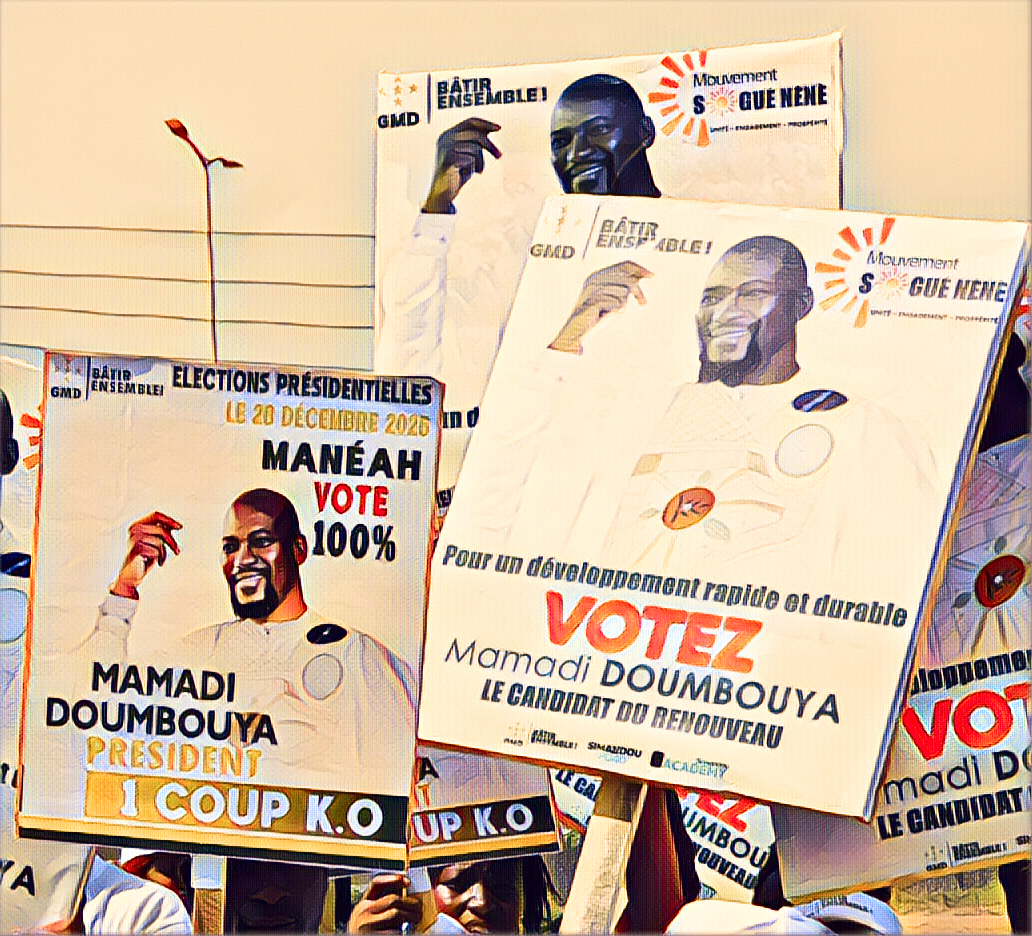
Guinea held a presidential election on Sunday that was widely expected to hand Mamadi Doumbouya a seven year mandate, completing the country’s transition from military rule to a civilian government led by the man who seized power in a 2021 coup.
Polling stations closed in the capital Conakry at 6 p.m., with vote counting beginning shortly afterward. A Reuters journalist at several locations reported no major disturbances, though turnout appeared subdued in parts of the city as many voters described the outcome as already decided.
Shopkeeper Moussa Kaba said he voted for continuity rather than conviction. He said the priority was restoring normalcy and stability after years of political uncertainty.
Weak opposition and exiled rivals
Doumbouya, a former special forces commander believed to be in his early 40s, faced eight challengers in a fragmented field lacking a serious rival. Former president Alpha Conde and longtime opposition leader Cellou Dalein Diallo both remain in exile.
Doumbouya arrived at his polling station wearing a white robe and sunglasses, accompanied by his wife and surrounded by armed security personnel. He waved to supporters before casting his ballot at a health centre in Conakry.
Provisional results are expected within two to three days.
Guinea holds the world’s largest bauxite reserves and vast iron ore deposits at Simandou, a long delayed project officially launched last month. Doumbouya has repeatedly claimed credit for reviving the mine and ensuring greater state control over its benefits.
His administration also revoked the licence of Guinea Alumina Corporation, a subsidiary of Emirates Global Aluminium, transferring its assets to a state owned firm after a dispute over refinery obligations.
That assertive approach to natural resources has boosted Doumbouya’s standing among young voters in a country where the median age is about 19.