
KEY POINTS
• Ghana’s parliament has approved a law regulating cryptocurrency activities
• Central bank to license and supervise crypto platforms and service providers
• Crypto remains legal but not legal tender as the cedi keeps its status
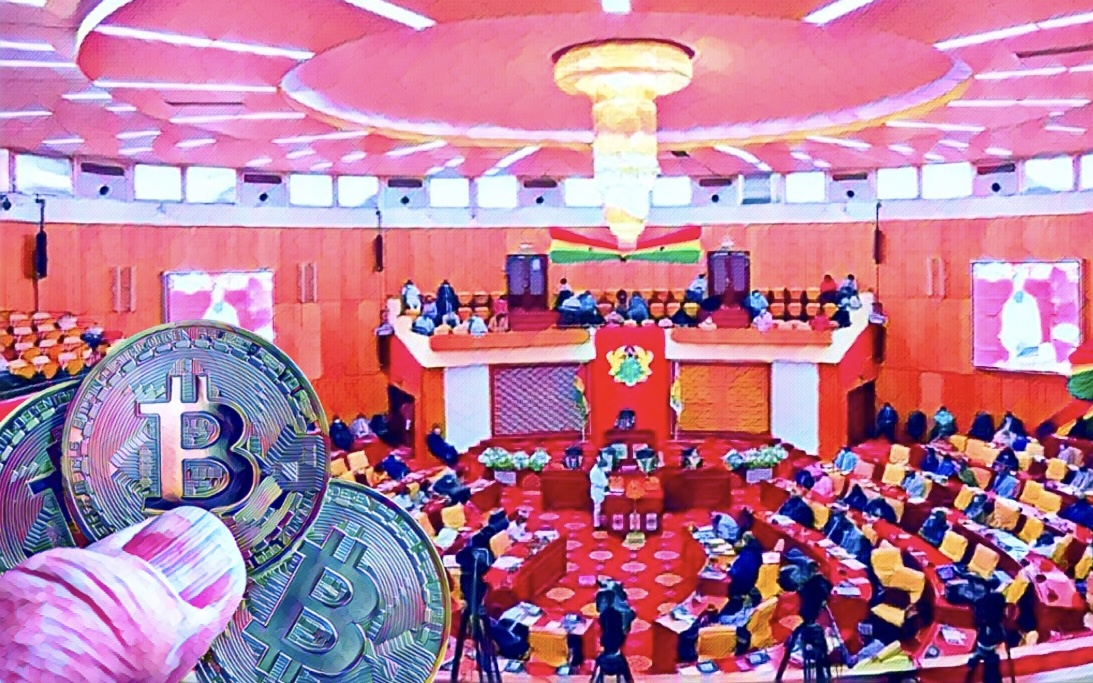
Ghana’s parliament has approved legislation that legalises cryptocurrency trading and related activities, marking a significant shift in the country’s financial regulation and digital economy policy.
The Virtual Asset Service Providers Bill was passed on December 22 and formally announced by Bank of Ghana Governor Johnson Asiama during a public address in Accra. The move brings cryptocurrency activity under a defined legal and regulatory framework after years of rapid growth and limited oversight.
Asiama said the new law was driven by concerns at the central bank over the unregulated use of digital assets by millions of Ghanaians. He said parliament’s action now gives authorities the tools to supervise the sector, manage risks and protect users without criminalising participation.
The law allows individuals and businesses to trade and use cryptocurrency legally, provided service providers comply with licensing and reporting rules. It also gives the Bank of Ghana the primary authority to regulate virtual asset service providers, including exchanges, wallet services and custody firms. The Securities and Exchange Commission may share responsibility in areas linked to investment products.
Asiama described the legislation as a foundation for stronger supervision and better policy making. He said bringing crypto activities into a clear regulatory space would improve transparency, lower costs for banks and support traders and small businesses that rely on digital payments.
The law does not change Ghana’s legal tender. The cedi remains the only official currency, and cryptocurrencies cannot be used to settle public debts or taxes. Central bank officials stressed that legalisation does not mean state backing of digital assets or protection from market losses.
Reports of Crypto Surge in Ghana
Crypto adoption has surged in Ghana in recent years. Industry estimates suggest about 3 million adults engage in digital asset transactions. Research by Web3 Africa Group indicates that users processed roughly 3 billion dollars worth of crypto transactions in the year ending June 2024.
Ghana’s decision mirrors a wider trend across the continent as governments seek to balance innovation with financial stability. According to Chainalysis, Ghana ranks among the top five countries in Sub Saharan Africa by crypto value received between mid 2024 and mid 2025, trailing Nigeria but ahead of several peers.
Regional data shows Sub Saharan Africa recorded more than 200 billion dollars in on chain crypto value during the period, making it one of the fastest growing markets globally. Analysts say Ghana’s new law could attract more investment and improve cooperation with international regulators as digital finance continues to expand across Africa.