KEY POINTS
- Ethiopia inaugurates Africa’s largest hydropower dam.
- Egypt warns GERD threatens its water security.
- GERD symbolizes unity but fuels regional tensions.
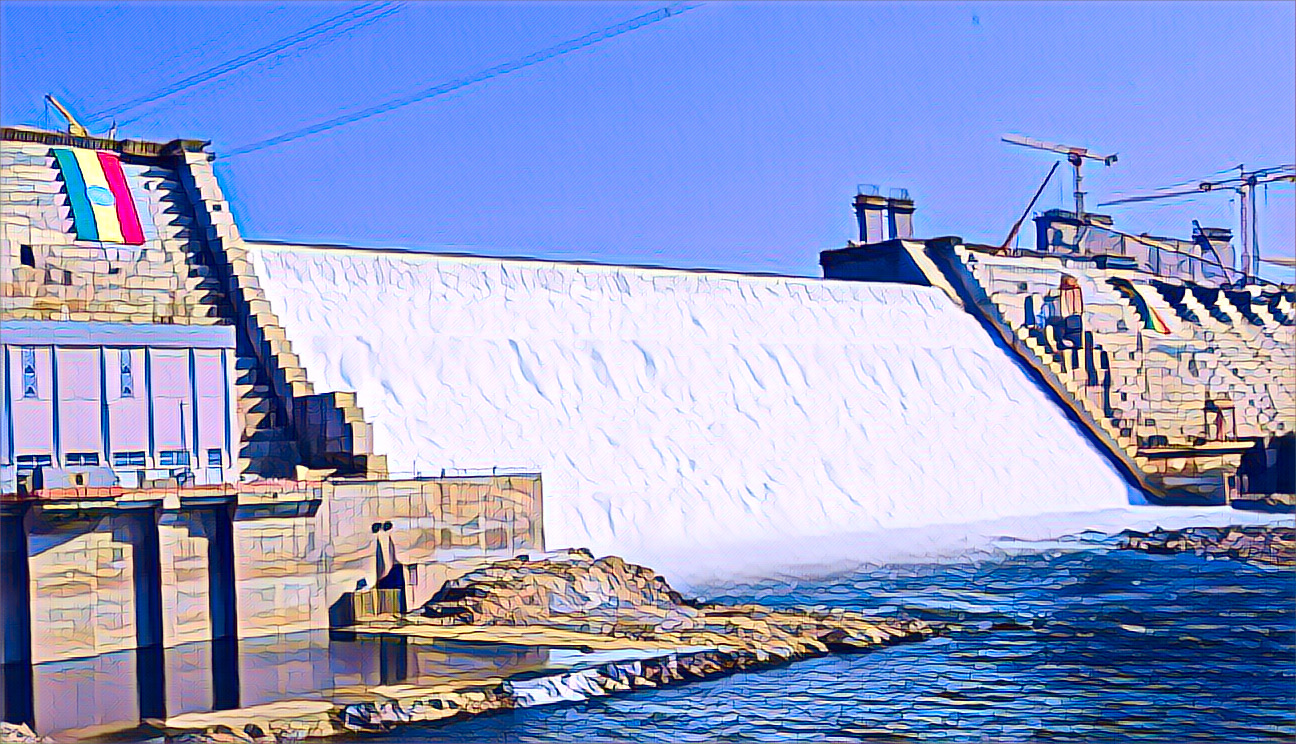
Ethiopia has officially inaugurated the Grand Ethiopian Renaissance Dam (GERD), a $5 billion project billed as Africa’s largest hydroelectric facility.
The dam, which sits on the Blue Nile in Guba, began generating limited power in 2022 but is now formally launched, marking a milestone for a country that sees energy as central to its economic future.
Prime Minister Abiy Ahmed hailed the project during Tuesday’s ceremony as a triumph for Ethiopia and the continent. “The Renaissance Dam is a great achievement not only for Ethiopia but for all Africans,” he said, urging Black communities worldwide to see the project as proof of what can be accomplished.
Ethiopia pins hopes on Grand Ethiopian Renaissance Dam energy boom
The GERD will eventually generate 5,150 megawatts of electricity, up from the 750 MW now produced by two turbines. Abiy says the dam will expand power access for Ethiopia’s 120 million people half of whom remain off the grid while also enabling exports to neighboring states.
The reservoir has submerged an area larger than Greater London and stabilizes flows for irrigation and hydropower while reducing floods and drought downstream. Ethiopia built the dam without foreign financing, funding 91 percent through its central bank and raising the remaining 9 percent from citizens via bonds and donations.
Egypt and Sudan push back on Nile waters
But for Egypt, which relies on the Nile for 90 percent of its fresh water, the GERD represents an existential threat. Cairo argues the project violates colonial-era treaties and could curtail supplies in times of drought. Successive governments have threatened action, with former U.S. President Donald Trump once warning Egypt might end up “blowing up that dam.”
Sudan has joined Egypt in calling for legally binding rules on filling and operation. Still, Khartoum could benefit from regulated water flows and cheaper electricity if a deal is reached. Years of negotiations mediated by Washington, the African Union, and the United Nations have failed to resolve the dispute.
Symbol of unity but risk of wider tensions
Ethiopia insists the project is its sovereign right and argues it will not significantly harm downstream states. So far, no major disruptions have been reported, thanks partly to favourable rainfall and phased reservoir filling.
For Ethiopians, the GERD has become a rare symbol of national pride amid years of internal conflict. Magnus Taylor of the International Crisis Group said most Ethiopians back Ethiopia’s right to build a dam on its own territory without letting Egypt push it around.
Still, analysts warn regional tensions could intensify. Egypt has strengthened ties with Eritrea and Somalia as Ethiopia explores new routes to the Red Sea, underscoring how the Nile dispute intersects with broader geopolitical rivalries.